Animated Captions Generator: Word-by-Word Highlight Captions
Valmera generates animated captions that highlight each word as it is spoken. Upload a video and type “add karaoke captions”: the AI agent times every highlight to the word-level transcript, styles the captions, places them clear of your face, and burns them into the export.
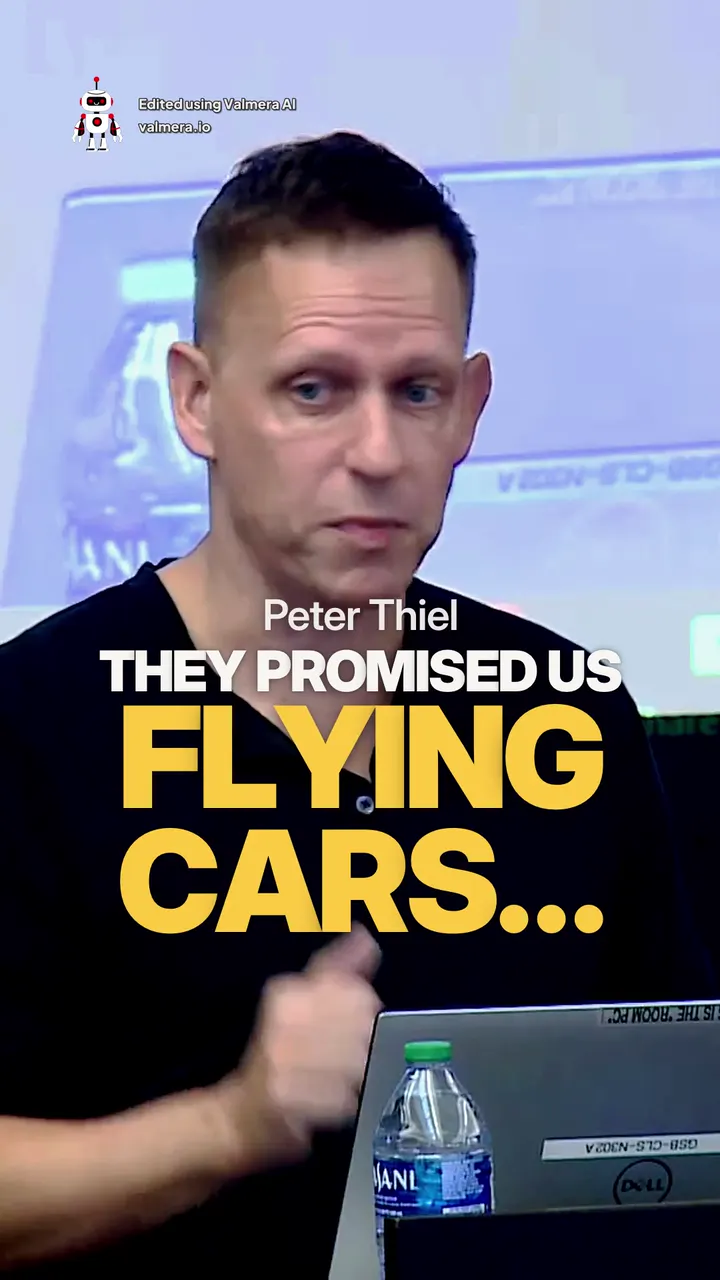
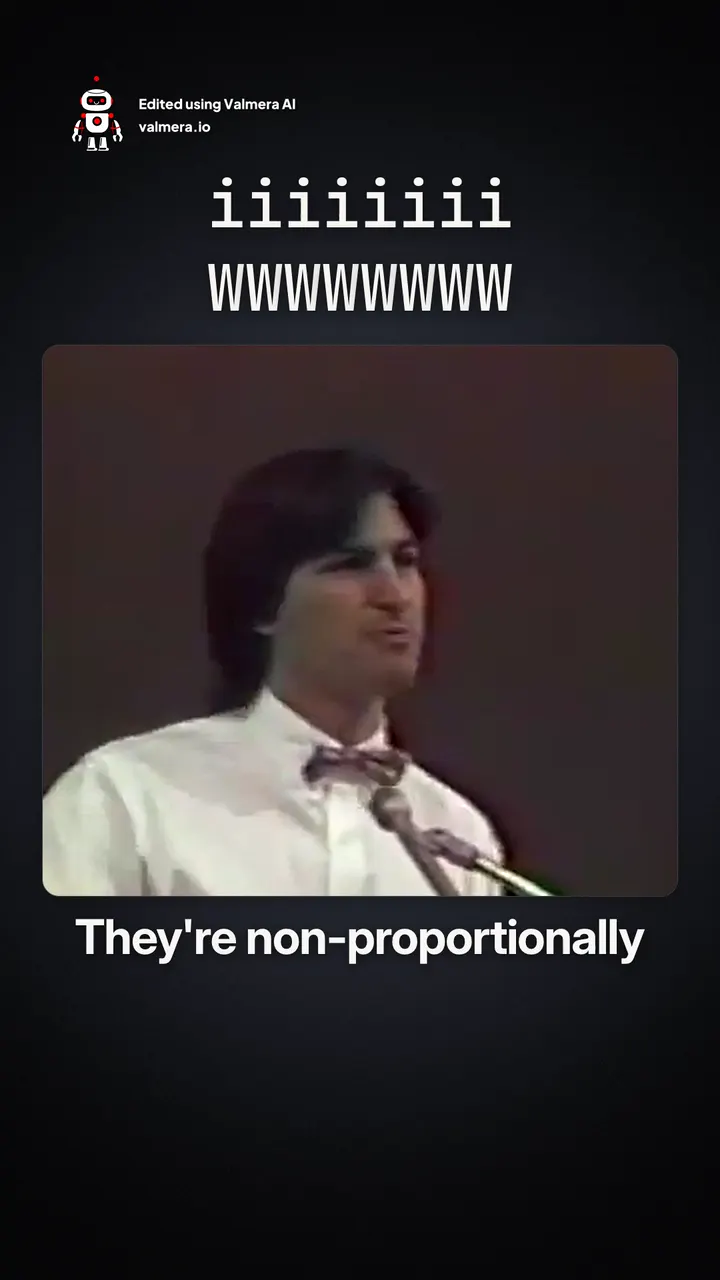
Choose the motion you see on TikTok and Reels: an accent box that follows the voice, a word that pops in color, or one glowing word at a time, in your colors and font.
Add Word-by-Word Captions
Upload, describe the look, review the preview. Creating an account and uploading are free; editing requires a subscription.
Create an account →How to Make Animated Captions in Valmera
- 1Upload the videoMP4, MOV, M4V, MKV or WebM, up to 14 GB and 3 hours. Indexing builds a word-level transcript: the timing for every highlight.
- 2Fix names firstSkim the transcript for brand names and people. Correct them in the panel or in chat so the right words light up.
- 3Describe the look“Karaoke captions, white text, yellow box on the spoken word, near the bottom.” Or name a style: karaoke, beast, spotlight, podcast or reels.
- 4Review and exportThe agent audits the caption timing and checks rendered frames. Watch a fast passage, adjust size, color or grouping, then export the MP4.
Add karaoke captions: white text with a yellow box on the spoken word.Animated captions, one glowing word at a time, centered.Make the spoken word pop in green, all caps, in Anton.Show three words at a time near the bottom, clear of my face.The highlight on “Valmera” at 0:05 arrives early. Check it against the audio.Four Ways to Animate the Spoken Word
| Look | Style | What the viewer sees |
|---|---|---|
| Box follows the voice | karaoke | A short group stays on screen while an accent box moves to each spoken word. |
| Spoken word pops in color | beast | Loud all-caps type; the current word jumps out in the accent color. |
| One word at a time | spotlight | A single glowing word, centered, replaced as each new word is spoken. |
| Words land as spoken | podcast, reels, stacked | Words appear on their own beat and stay; keywords light up or grow. |
Bright rotating boxes and colors suit hype and gaming. On calm or cinematic footage, white words that grow on emphasis read more polished. The full style list is on add captions to video.
Settings That Matter
| Setting | Default | How to change it |
|---|---|---|
| Words per group | 3 for karaoke; 1–2 for most short-form styles | “Show up to four words at a time.” Any size from 1 to 16 works. |
| Highlight color | Warm yellow | “Highlight in green.” Any hex color works. |
| Font and case | Set by the style | “Anton, all caps.” Bundled fonts only. |
| Animation | Set by the style | “Bounce the words in,” “elastic,” or “no animation.” |
| Position | Bottom; single-word looks centered | “Move them up a bit.” A fixed position holds for the whole video. |
| Emphasis | Stressed words and numbers, chosen automatically | “Make ‘free’ huge every time,” or “no emphasis.” |
Why the Highlight Stays in Sync
Every highlight advances on a word's own start time from the word-level timestamps, not on an even split of the sentence. Captions are computed from the edit, so cutting silences or filler words later never pushes them out of sync. Before replying, the agent audits the caption track for late starts, missing words and overlaps.
Corrections are text-only: “change ‘Val Mira’ to ‘Valmera’” can change the number of words, applies everywhere or at one time you name, and leaves the audio untouched. Filler sounds never appear in captions, so “um” will not light up.
Common Mistakes
- Long groups. Six or more words with a moving highlight on a vertical frame becomes a wall of text. Two to four reads better.
- A highlight color that disappears. Yellow on a sunny beach, red on a red shirt. Pick a color that contrasts with the footage.
- Mid-frame captions over a face. Only single-word looks belong in the center; keep groups at the bottom.
- Stacking on old captions. If the footage already has burned-in captions, erase them first so the new ones do not collide.
Limits
Animated captions are burned into the video: no SRT or VTT export, and viewers cannot switch them off. Fonts come from the bundled set. Captions follow speech recognition, so sung lyrics over a loud mix transcribe less reliably than speech; check the words. English is the best-tested language.
Related Tools
For phrases that appear beside the speaker instead of at the bottom, use kinetic typography. For readable subtitles and translations, see the auto subtitle generator. Workflows for TikTok creators, YouTubers and podcasters show animated captions in context; the captions docs and the AI video editor page cover the rest.
Over Valmera's MCP server, animated captions are add_captions with a style such as karaoke or spotlight, restyled with set_caption_style.
Frequently Asked Questions

Made with Valmera: real exports
Make Your Captions Move with Your Voice
Word-timed highlights, styled by request, burned into a full-quality export. Creating an account and uploading are free; editing requires a subscription.
Create an account →