Turn Long Videos into Short Clips with AI
The hard part of turning a podcast, webinar, interview or YouTube video into clips isn't formatting; it's choosing moments that still make sense once they leave the long video. This guide gives you a selection test, the three ways to clip, a tool comparison, prompts you can paste, platform limits and a final checklist.
The short answer
Find complete moments before you format anything. A good clip names its subject, opens with a reason to keep watching, develops one idea, shows evidence, reaches a payoff, fits the destination frame and is safe to publish. Then trim what the clip no longer needs, reframe without losing the important visuals, fix the captions, check the sound and watch the exported file.
In Valmera, ask for shorts: it watches the whole recording, picks complete stories of 10 seconds to 2 minutes, and turns each into its own project that an editing agent frames for 9:16 and captions. You revise any of them by chatting and export the finished batch.
Turn Your Next Recording into Clips
Upload up to 14 GB and 3 hours, ask for shorts, and revise each clip by chat. Creating an account and uploading are free.
Create a Valmera project →The clip-selection test
Check every candidate against these seven signals. Meaning, truth, visual fit and rights are gates: a candidate that fails one of them doesn't ship, however strong the rest.
| Signal | Pass | Reject when | Fix |
|---|---|---|---|
| Standalone clarity | A new viewer understands the subject without the full episode. | Starts with “as I said earlier” or unnamed people. | Start where the subject is named, or add a short title. |
| A real opening | The first sentence raises a question, tension or surprising fact. | Greetings, housekeeping, sponsor copy or a long setup. | Start later, on the first strong sentence of the moment. |
| One idea | The clip can be titled with one specific promise. | Three tips, two stories and a pitch compete. | Split it, or keep only the chain that reaches one payoff. |
| Payoff | The question resolves, the example lands or the viewer learns something. | It ends just before the answer. | Extend through the result or conclusion. |
| Evidence | A number, demonstration, screen or concrete example supports the point. | A broad claim with no proof. | Include the proof, or present it as opinion. |
| Visual fit | The subject, demo or slide survives the destination frame. | A vertical crop cuts the product, second speaker or chart. | Fit over a blurred backdrop, reposition the crop, or stay widescreen. |
| Clean rights | You can publish the footage, music and quoted material. | Unlicensed music or footage you can't reuse. | Mute, replace, get permission, or skip the clip. |
What to look for in a podcast, webinar or interview
The claim
A surprising or precise statement followed by its reasoning.
The story turn
A decision, mistake or discovery with a clear consequence.
The demonstration
A visible process, product action or result.
The answer
A question followed by an answer that stands on its own.
The framework
A short set of steps or criteria that forms one useful unit.
The reaction
A genuine response whose setup and outcome stay understandable.
Three ways to clip
“AI clip maker” covers three different workflows. Start from your bottleneck: volume, control over each clip, or frame-exact craft.
| Mode | How it works | Best for | Examples |
|---|---|---|---|
| Batch clipping | The tool scores a long source and returns many candidates. | High posting volume and fast discovery across an archive. | OpusClip, CapCut, Riverside Magic Clips |
| Directed AI editing | You ask for complete moments or name one; an agent edits each clip and you revise it in chat. | Clips where the message, context and finish matter more than count. | Valmera |
| Manual timeline | You scrub, mark, cut, reframe, caption and mix yourself. | Frame-exact craft and unusual edits. | Premiere Pro, DaVinci Resolve, CapCut's editor |
Long-video-to-clips tools compared
Competitor details come from each product's own pages, checked August 24, 2026, with OpusClip and Riverside rechecked October 6, 2026. Follow the link before committing a library.
| Tool | How moments are found | Finishing | Worth knowing |
|---|---|---|---|
| Valmera | Watches the whole recording and picks complete stories (10 seconds to 2 minutes), pulling in the question an answer needs; or you name the moment. | An agent edits each short: 9:16 framing per section, captions, hook, b-roll; revise by chat; export up to 30 finished shorts together. | No posting or scheduling; framing is chosen per section rather than tracked continuously. |
| OpusClip | Analyzes speech, visuals, sound and emotion; prompts can set timeframe, length and topic on eligible plans. | Captions, auto reframe, hooks, editing, b-roll, bulk export and scheduling, depending on plan. | Plan boundaries matter; the free tier is limited. |
| CapCut | AI highlights from speech, scenes and visuals, with duration and source-range choices. | Subject tracking, resizing, captions, templates and a full manual editor. | Availability and export rules vary by region and device. |
| Descript | Create clips and Find highlights inside a transcript editor. | Text-based editing, captions, layouts and audio tools. | AI tools use plan credits. |
| Riverside Magic Clips | Automatic highlights with keyword, speaker, length and layout settings. | Captions, aspect presets, branding and sharing. | Strongest when you also record in Riverside. |
Head-to-head: Valmera vs OpusClip. Broader shortlist: OpusClip alternatives.
How to turn one long video into short clips
- 1Define the audience and jobOne sentence: who should watch, what they should understand, and what should happen next. Without it, any ranking optimizes for generic attention.
- 2Upload the full sourceIn Valmera, upload the original file (MP4, MOV, M4V, MKV or WebM, up to 14 GB and 3 hours). It's indexed once into a word-level transcript with speaker labels, shots and silences.
- 3Get candidates before editingAsk for shorts and review the board, or ask for a shortlist with timestamps, opening line, payoff and any context or rights risk.
- 4Lock each clip's meaningConfirm the source supports the claim, then keep the minimum setup and the complete payoff. Never rearrange words into a claim the speaker didn't make.
- 5Open strong, end cleanStart on the first strong sentence of the moment and end right after the conclusion. The clip plays in recorded order, so for a different opener use a title card.
- 6Frame, caption and mixCrop only when every essential visual survives; otherwise fit over a blurred backdrop. Fix names in captions, keep text off faces and interface areas, and keep music under speech.
- 7Export, watch and measureExport, watch the downloaded file, then note what you're testing (opening, length, framing) and compare it with each platform's retention data.
A source may yield one strong clip or twenty. Stop when every clip you ship passes the selection test, not when a quota is filled.
Platform limits are ceilings, not targets
Checked against the platforms' own help pages on August 24, 2026. Use the shortest version that delivers the whole idea.
| Destination | Current rule |
|---|---|
| YouTube Shorts | Square or vertical uploads up to three minutes count as Shorts; a claimed Short over one minute is blocked. Source |
| TikTok web upload | MP4 or WebM, at least 720×1280, up to 30 minutes and under 10 GB on the web uploader. Source |
| Instagram Reels | Account features change, so check the current composer. Design for 9:16 and keep text away from the interface. Source |
Worked example: a 58-minute founder interview
The transcript holds a self-contained story at 18:42–20:06: the founder changed onboarding after learning that new users couldn't find the export button. The clip follows the story as told: the problem (“half our new users never exported a video”), the context, how they found out, the change, and the result. If the source never states a result, end on the lesson; don't write one into the captions. Use 9:16 only if the product stays legible; otherwise fit it over a blurred backdrop. The causal chain sets the length: if it takes 38 seconds, export 38.
Prompts you can paste
More in the AI video editing prompts library.
One Source, Many Complete Clips
Ask Valmera for shorts, revise each one by chat, and export the batch.
Create an account →Final clip checklist
Watch the exported file once for meaning and once for mechanics. When you compare results over time, note that YouTube changed Shorts view counting on March 31, 2025 so starts and replays count as views; engaged views are the better comparison with older clips (YouTube Shorts note).
| Check | Pass when | If it fails |
|---|---|---|
| Meaning | Someone who never saw the source understands the subject, claim and payoff. | Add context or drop the clip. |
| Truth | Cuts and captions keep what the speaker meant. | Restore the context; never strengthen a claim. |
| Framing | Faces, screens and products stay visible for the whole clip. | Move the crop, fit over a blurred backdrop, or stay widescreen. |
| Captions | Names and terms are right and nothing covers the subject. | Fix the transcript text, size or position. |
| Audio | Speech is clear and music never masks it. | Lower or remove the music. |
| Ending | The clip stops right after the payoff. | Move the out-point. |
How Valmera handles long-to-short
Upload the source and ask for shorts, or choose Shorts on the upload screen and press Make shorts; you can add one short you like as a style reference. Valmera watches the whole recording and picks complete stories. Each becomes its own project: press Edit reel and an editing agent cuts the hook, frames it for 9:16 section by section, captions it, renders a preview and checks it. Revise any short by chatting, then export the finished ones together, up to 30 at a time. Final MP4s are rendered from your original file.
Through the MCP server, Claude, ChatGPT and other assistants do the same job: they choose the story ranges, open each short, apply edits to up to 30 shorts in one request, and export each final MP4.
Limits: no posting or scheduling; framing is chosen per section rather than tracked continuously; captions are burned in; exports end with a brief Valmera end card. Creating an account and uploading are free; editing requires a subscription (see plans). Start with the AI clip maker, the reframing docs, or how the AI video editor works.
Sources
- YouTube: get started creating Shorts
- YouTube: understand three-minute Shorts
- YouTube: upload Shorts
- TikTok: creator tools and web upload specifications
- OpusClip product page
- OpusClip pricing and plan comparison
- Descript help center: Create clips and AI tools
- Descript AI-credit costs
- CapCut long video to Shorts
- Riverside Magic Clips
Frequently Asked Questions
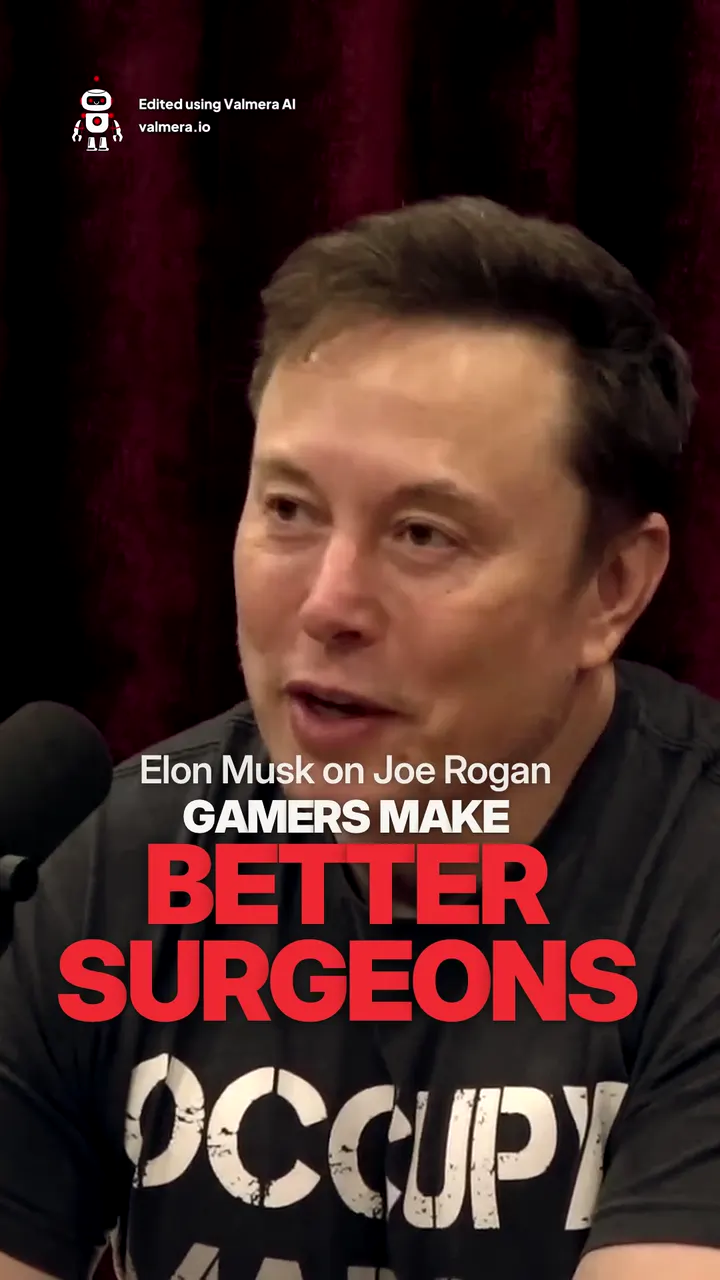
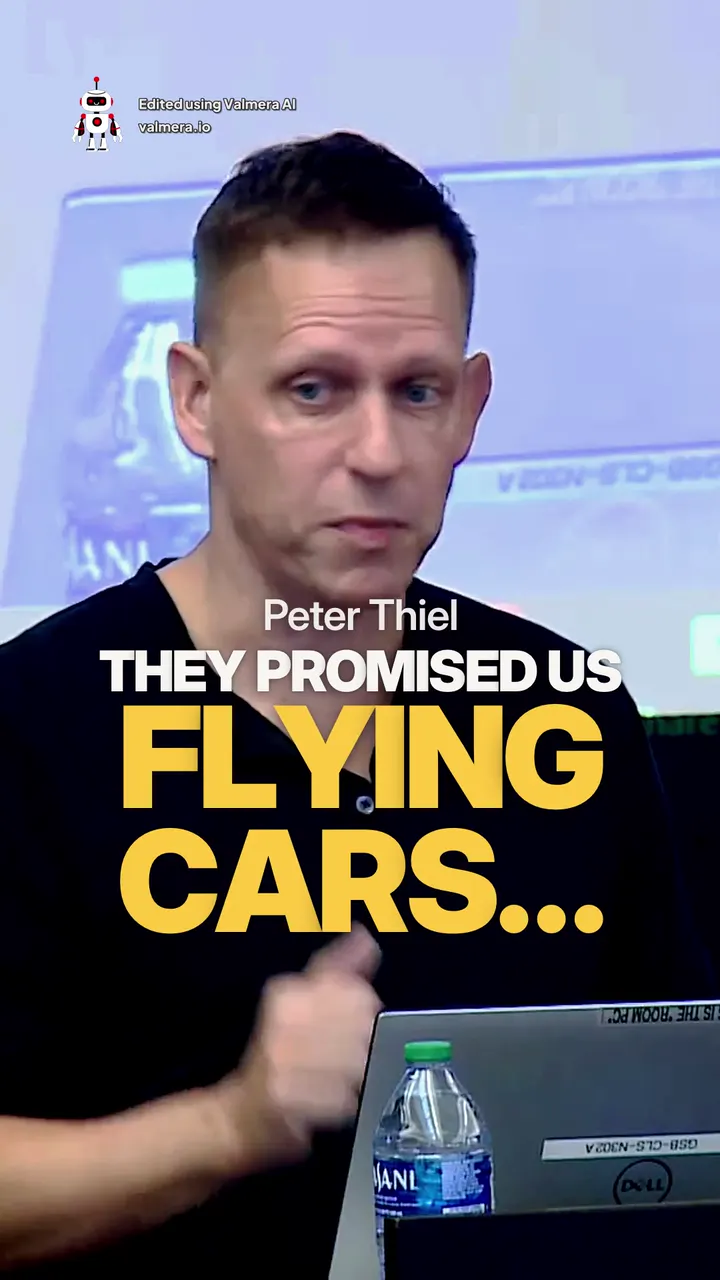
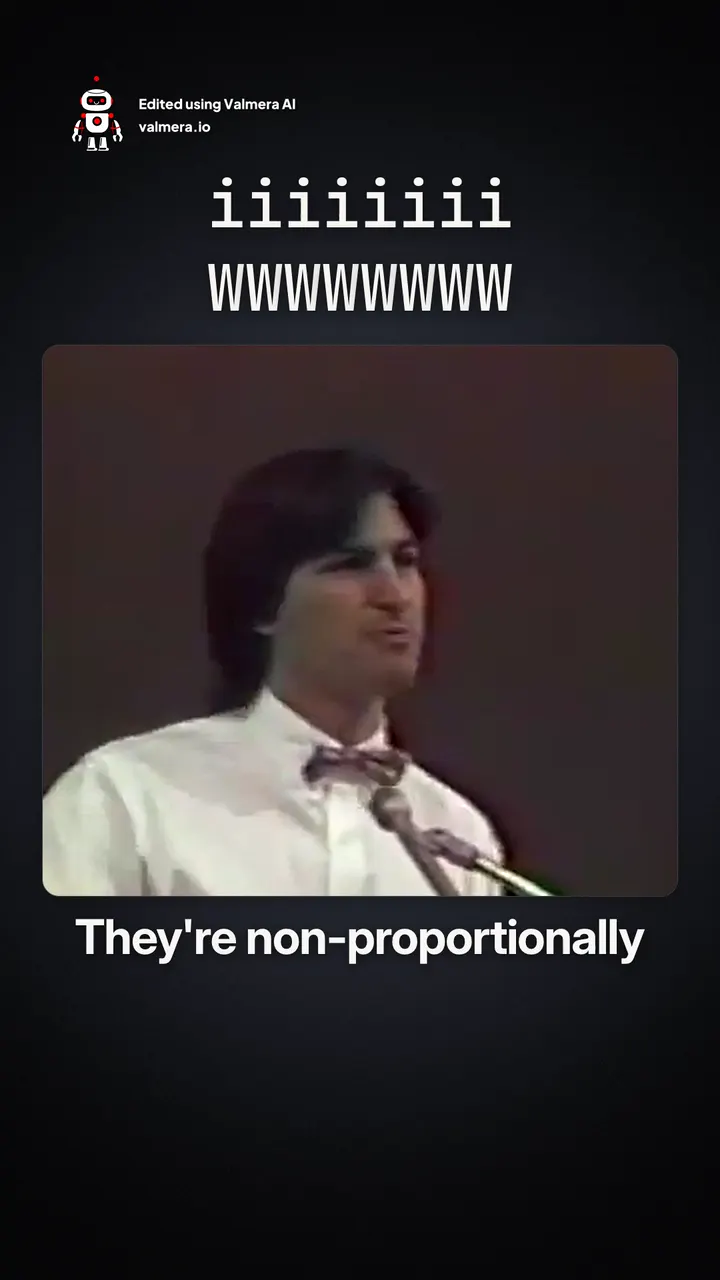
Made with Valmera: real exports
Turn the Right Moments into the Right Clips
Direct the clips in plain English, review each one, and keep refining. Creating an account and uploading are free.
Start a Valmera project →