Auto Zoom on Speaker Emphasis
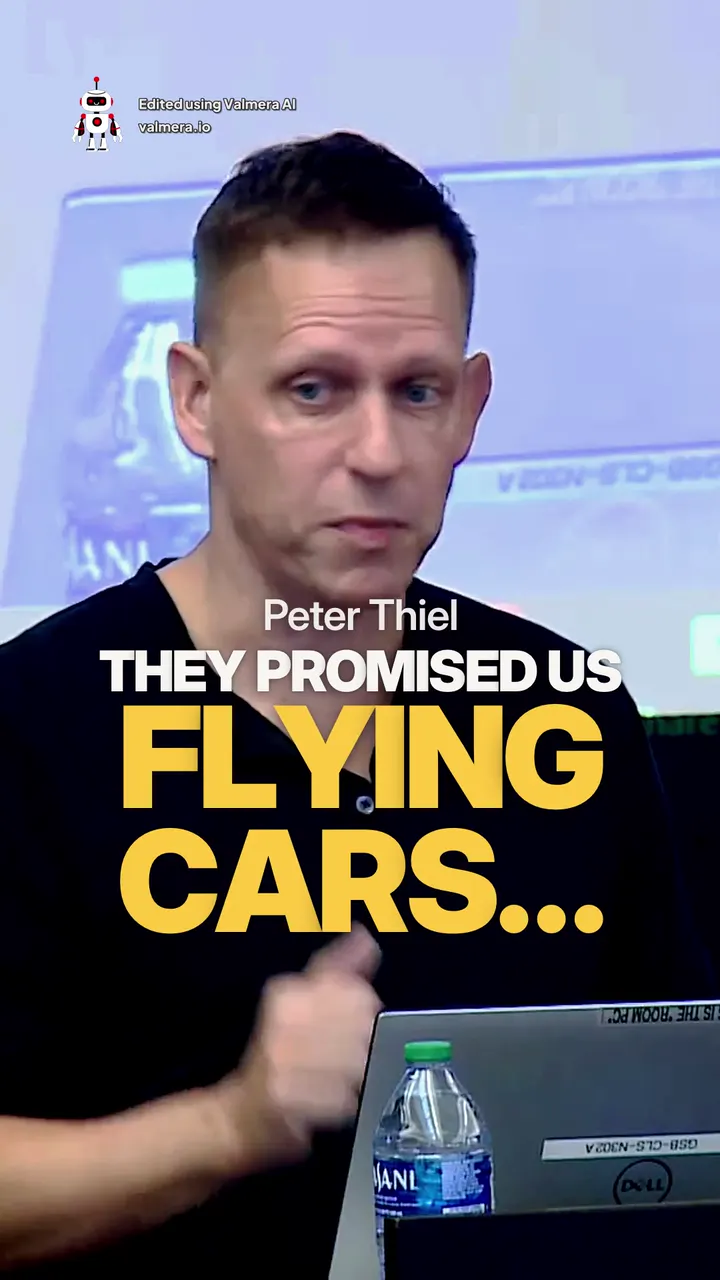
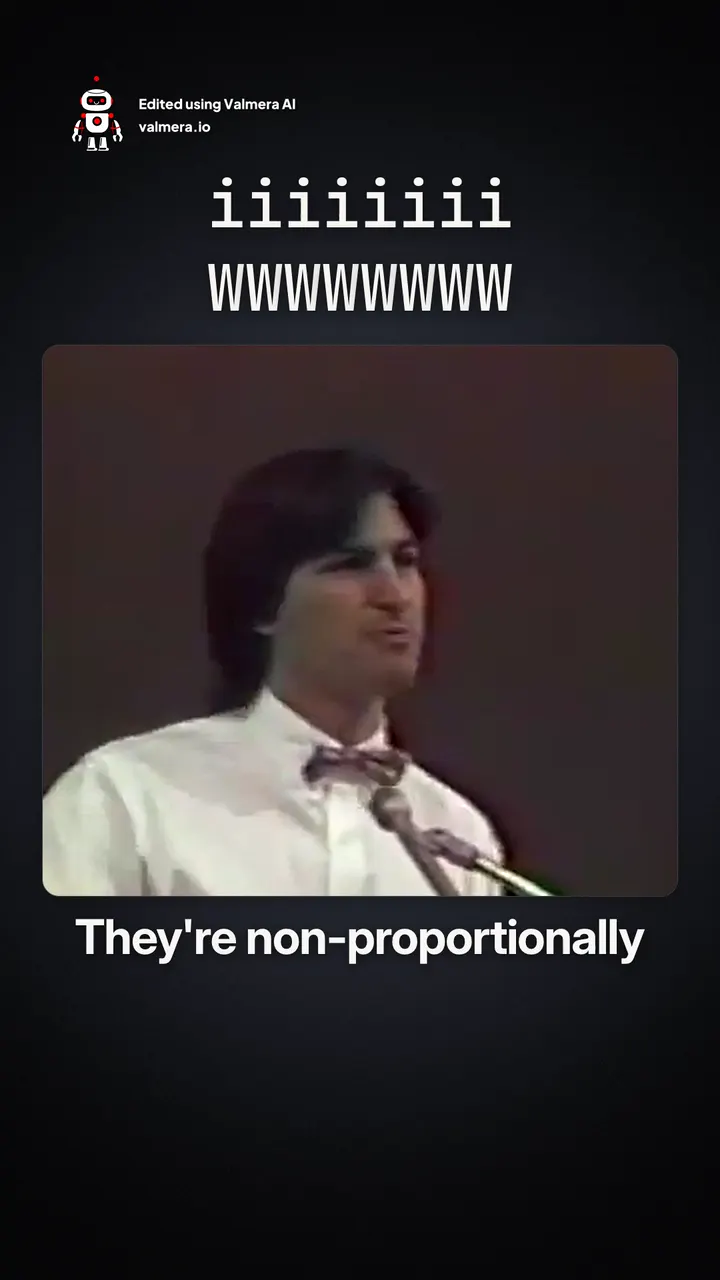
To zoom in automatically on the words you stress, upload a talking-head video to Valmera and type “punch in on my most emphasized words.” Valmera measures vocal stress in the audio, finds each stressed word’s timestamp in the current cut, and places a few short punch-ins aimed at your face, spaced out so they never stack up.
For anything more deliberate, describe the zoom: an ease, push-in, pull-out or punch, aimed at a face, a product or a button, or one zoom that travels across a screen recording. Every zoom is reversible and moves with its footage when you cut elsewhere.
Punch In Where It Counts
Upload a video, ask for punch-ins on your emphasis, review the preview. Creating an account and uploading are free. Editing requires a subscription.
Create an account →How to Add Auto Zoom on Emphasis in Valmera
- 1Upload your videoMP4, MOV, M4V, MKV or WebM, up to 14 GB and 3 hours. Valmera transcribes it word by word and measures vocal stress from the audio.
- 2Ask for punch-ins on emphasisType “punch in on my most emphasized words,” or “just one punch-in, on the biggest line.” Add a count or a strength if you have one in mind.
- 3Aim any other zoom by describing it“Slow push in on my face from 1:20 to 1:45.” “Zoom into the pricing table when I mention it.” The agent reads the target off the frame and aims the zoom at it.
- 4Review and exportWatch the preview and tune it in one message (“fewer and gentler,” “remove the one at 2:10”). Then export a full-resolution MP4 rendered from your original file.
Punch in on my most emphasized words, but no more than three.Just one hard punch-in, on the line where I reveal the number.Slow push in on my face from 1:20 to 1:45, then hold.Zoom into the sign-up button when I click it, then move to the form.How Valmera Finds Your Emphasis
Emphasis is measured, not guessed. Valmera tracks the loudness of your voice in the speech band (roughly 300–3,400 Hz) and scores each word against the speech around it over about ten seconds, so a speaker who warms up doesn’t get every late word marked as stressed. Word-level timestamps, mapped through the current cut, place each stressed word exactly; a word you’ve cut is never zoomed.
suggest_emphasis lists the candidates without changing anything: the most stressed words, plus words with digits and rare, distinctive words. The same list drives emphasis in captions.
punch_in_on_emphasis then picks a sparse set. It weighs stress together with meaning (a number landing, words from your brief), skips filler and very short words, and spaces the picks so two loud words in a row never become back-to-back bumps. Each punch aims at your face when one is detected, starts about 60 ms before the word so it lands on the attack, and lasts under a second. Strength stays small by default, roughly 1.1–1.2×, with the strongest word getting the biggest push.
Zoom Modes and Settings
Each zoom that holds one target is an add_zoom on the final timeline. Name the mode, or describe the feeling (“slow, dramatic push on my face”) and the agent picks it.
| Mode | What the camera does | Use it for |
|---|---|---|
| ease (default) | Ramps in, holds, ramps back out inside the window | A gentle push the viewer feels more than sees |
| push_in | Grows steadily from the full frame to full strength | A slow, cinematic drift into a story beat |
| pull_out | Starts tight and widens back to the full frame | Revealing context, or closing a section |
| punch | Snaps in instantly, snaps back out | The single biggest hit: a punchline, a reveal, a number landing |
| Setting | Default | Range and notes |
|---|---|---|
| Strength | 0.15 (a 1.15× push) | 0.05–4.5. Magnification is 1 + strength, so 0.5 is 1.5× and 1.0 is 2×. |
| Aim | Frame center | A rect frames a region (a face, a chart, a button) so it fills the frame. A point keeps its place on screen while the picture grows around it, so a point near the edge stays at the edge. |
| Window | Set per zoom | At least 0.2 s, on the final timeline. Zooms move with their footage when you cut elsewhere. |
| Punch-in pass | Off until you ask | Count and strength are optional; left out, the pass stays sparse and small. |
Use a rect to zoom into something (a message, a chart, the product on the table): Valmera solves the strength and center so that region fills the frame with a margin. Use a point to emphasize a subject that’s already well composed.
Zooms That Travel
add_zoom_path is one zoom that moves: it pushes in on one subject, travels to the next and holds, instead of cutting out and back between static zooms. Each keyframe has a time, a target (a rect or a point) and a strength. Repeat a keyframe to hold, and start and end at strength 0 for a seamless entry and exit. The default easing settles at each stop, which suits buttons; linear keeps a steady scan across a wide screenshot.
It’s the tool for screen recordings: following the cursor, landing on each button as it’s clicked, reading a dashboard panel by panel. Pair it with cursor enhancement for a polished product walkthrough.
How Many Zooms?
Zero or one hard punch beats a sprinkle. A well-framed face doesn’t need a bump every few seconds, and a zoom with nothing new at the landing is decoration that weakens the intentional ones. That’s why the punch-in pass runs only when you ask, stays sparse and varies its sizes.
- Give every zoom a reason: a reveal, a number, a punchline, a button the viewer has to read. If you can’t name one, cut the zoom.
- Default to ease at around 10–20%; save punch for the single biggest peak.
- Never on a filler word, never on adjacent sentences, never all the same size.
- Treat two or three a minute as a ceiling on talk-driven footage, not a target.
- On jump cuts, alternate shot sizes so consecutive spans read as two camera angles; the jump cut editor covers this.
Limits
Zooms don’t track motion: each one aims at a fixed point or region for its window, and a path moves only where you put keyframes, so a subject walking across the frame isn’t followed. Zooms crop pixels: a 1.15× push on 1080p shows about a 1670×939 region, a 2× zoom about 960×540. Start from 4K if you plan strong zooms, especially when you also reframe to vertical. Vocal-stress analysis covers the first hour of audio; on longer recordings, point the agent at later sections by timestamp. The emphasis pass needs speech, so on music or silent footage, place zooms by hand.
Part of the Same Edit
Zooms rarely work alone. Captions can emphasize the same stressed words in text, and the AI clip maker turns a long video into shorts you can punch up the same way. See how TikTok creators combine them, or read every parameter in the speed and motion docs.
Using Claude, ChatGPT or Cursor? The same add_zoom, add_zoom_path, punch_in_on_emphasis and suggest_emphasis tools are available through Valmera's MCP server.
Frequently Asked Questions

Made with Valmera: real exports
Add Zooms by Describing Them
Describe the zoom, review the preview, export a full-quality MP4. Creating an account and uploading are free. Editing requires a subscription.
Create an account →