AI Video Editor for TikTok Creators
Valmera turns a raw take into a TikTok from one plain-English request: a 9:16 frame, word-by-word captions, a punch-in on the line that matters, a speed ramp through the setup, and music that sits under your voice. It also turns long videos and podcasts into batches of vertical clips. You review each preview and revise by chatting.
Creating an account and uploading are free; editing requires a subscription. See plans.
Edit Your Next Post
Upload the take, describe the edit, review the result. Creating an account and uploading are free.
Create an account →What the agent does for a TikTok
| Job | What the agent does |
|---|---|
| Vertical frame | Reframes to 9:16 by aiming the crop at the face it finds in each section; gameplay and screen recordings are fitted over a blurred backdrop instead of being cut off. |
| Captions | Word-timed captions in presets such as karaoke, beast, spotlight and podcast, with your color, size, position and per-word emphasis on the punchline. |
| Pace | Cuts dead air, ums and retakes; speeds sections from 0.25x to 4x with natural-pitch audio; adds whip, zoom-punch, glitch or flash transitions at scene changes. |
| Punch-ins and zooms | Punches in on the words you stress, or zooms into a region you name, such as a product on the desk. |
| Sound | Ducks your track under your voice, adds real recorded sound effects found by web search, and masters to -14 LUFS so the post isn't quieter than the next one. |
| Clips from long videos | Turns a podcast, stream or YouTube video into a batch of complete-story vertical clips. |
Details: auto reframe, karaoke captions, zooms and punch-ins, speed, transitions and loudness targets.
How to edit a TikTok with Valmera
- 1Upload the takeUpload MP4, MOV, M4V, MKV or WebM, up to 14 GB and 3 hours. Valmera indexes it once: a word-level transcript, shots and silences. The Studio also runs in mobile browsers.
- 2Describe the postSay it like you'd brief an editor: “9:16, cut the silences and ums, karaoke captions, punch in on the punchline.”
- 3Review the previewThe agent edits, renders a preview, checks its own frames and audio, and tells you what changed.
- 4Revise by chatting“Captions one size smaller.” “Start on the second sentence.” Each note is a new version, and any cut can be restored.
- 5Export and postExport a full-resolution MP4, then upload it in TikTok and add your caption, hashtags and any trending sound there.
Prompts you can paste
Send one at a time and check the preview in between.
Reframe this to 9:16 and keep me in frame. Cut the silences and the ums, add karaoke captions in the beast preset with a yellow highlight word, and punch in on the words I stress.
Speed the setup at the start to 1.4x, keep the punchline at normal speed, and slow the last three seconds to 0.75x. Add whip-left transitions at the scene changes only.
Put my uploaded track under the whole video, ducked under my voice, add a whoosh on the cut at 0:04, and master to -14 LUFS.
From this episode, make one 45-second vertical clip of the story about [topic]. Start on the question that sets it up, frame whoever is speaking, bold podcast captions, end on the payoff.
Export a version with no music and the voice mastered to -14 LUFS. I'll add a trending sound in TikTok.
Podcast and long-video clips for TikTok
Have a podcast, stream or YouTube video? Ask for shorts and Valmera watches the whole recording, picks complete stories of 10 seconds to 2 minutes, and turns each into its own vertical project. An editing agent frames each one, captions it and checks it, and you export the finished clips together. With two people on camera, the frame moves to whoever is speaking, section by section. See podcast clips and the AI clip maker.
Describe the Post
9:16, word-by-word captions, punch-ins and music under your voice, from one request.
Create an account →Limits
- No direct posting to TikTok, and trending sounds are added in the TikTok app.
- Framing is chosen per section, not tracked continuously; reframing never adds resolution.
- No true crossfades and no motion-tracked stickers; no custom font uploads.
- Captions are burned in; no AI music generation or audio noise removal.
- No native app; the Studio runs in mobile browsers. Exports end with a brief Valmera end card.
New to Valmera? Read how the AI video editor works, the getting-started guide, or connect an assistant through the MCP server.
Frequently Asked Questions
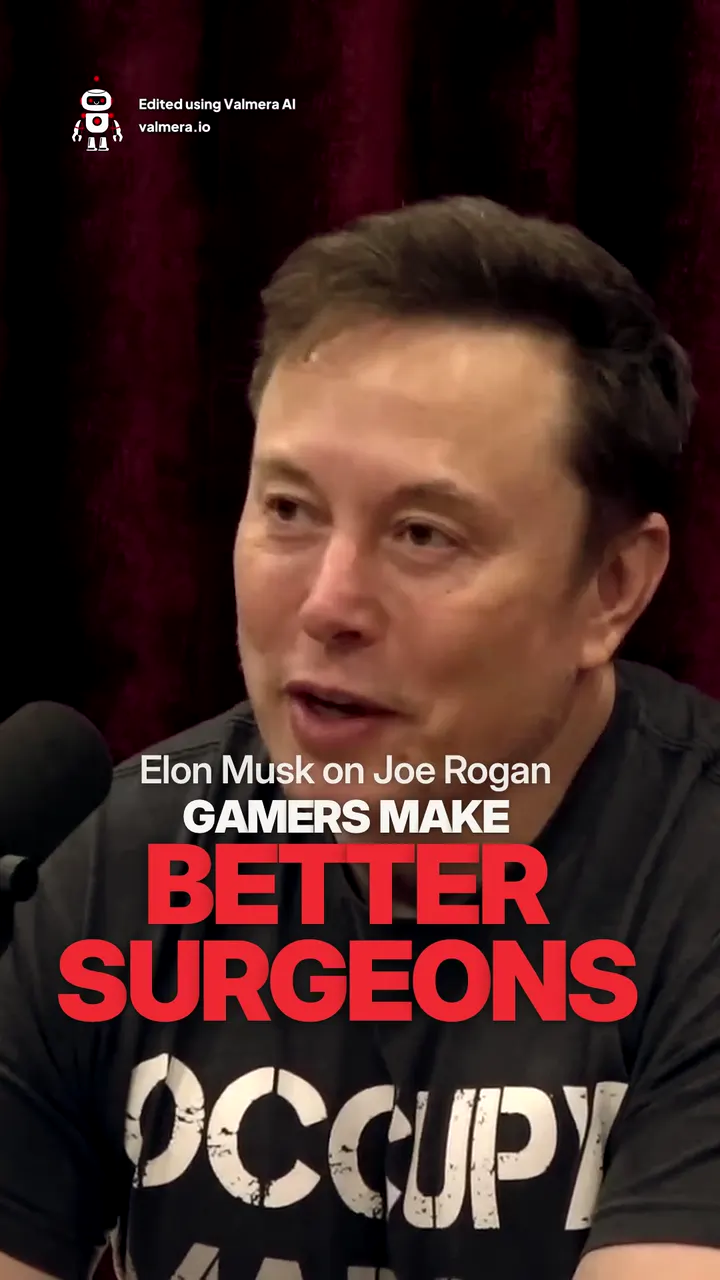
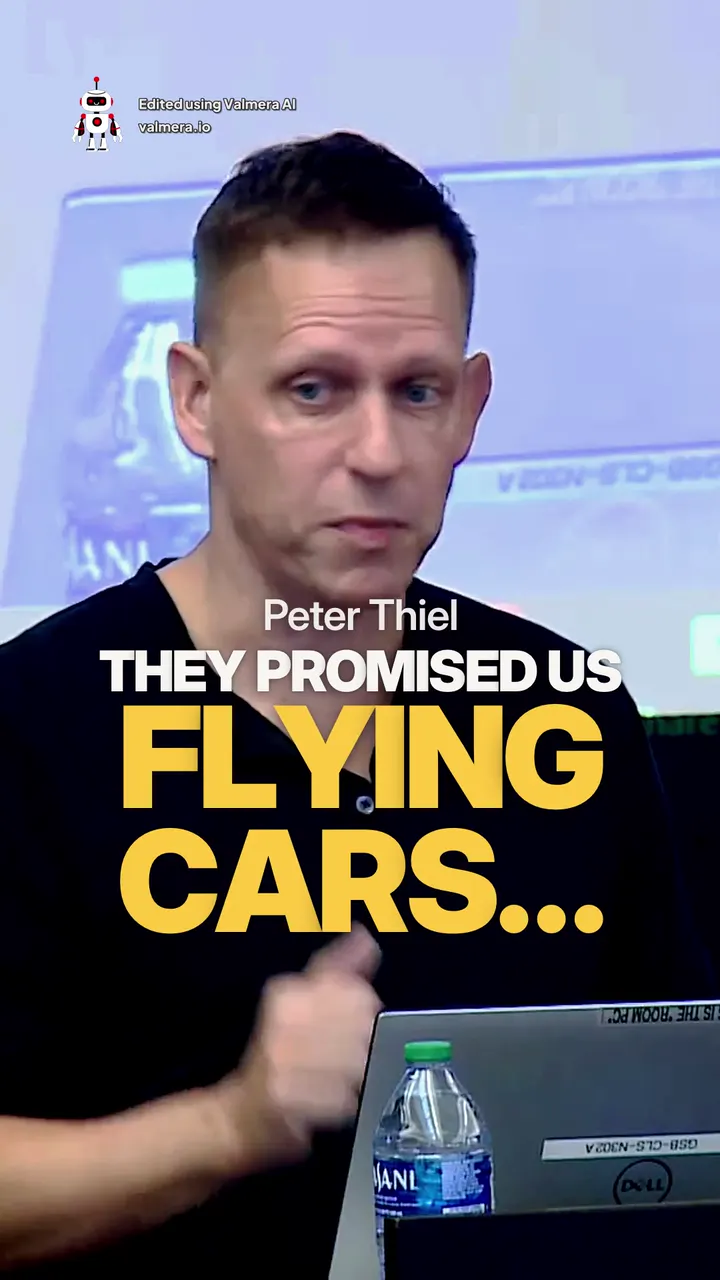
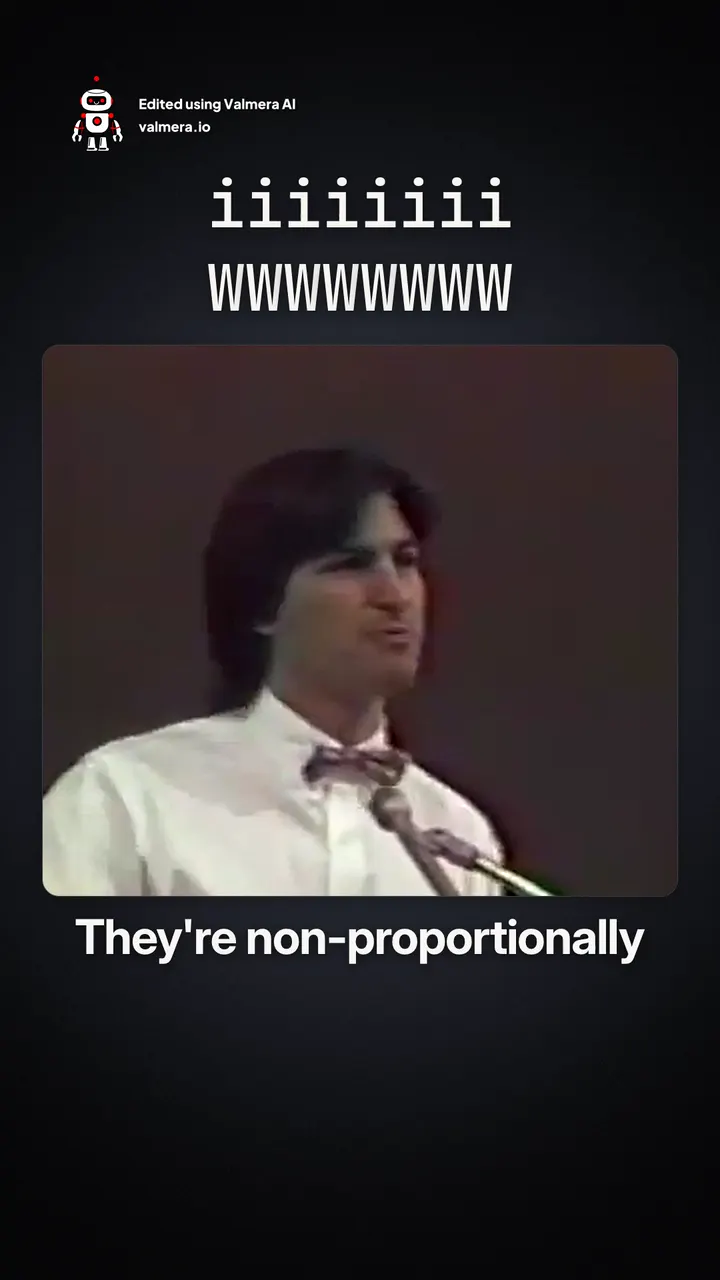
Made with Valmera: real exports
Short-Form Editing, Handed Over
Vertical edits from plain-English requests, revised until they're right.
Create an account →