Repurpose One YouTube Video into Reels, TikToks and Shorts
Upload the original of your YouTube video and ask for shorts. Valmera watches the whole video, picks the moments that stand on their own, and turns each into a captioned 9:16 vertical for Instagram Reels, TikTok and YouTube Shorts. An agent edits every clip, you revise any of them in chat, and you export the batch together.
Built for social media managers and content teams who turn one long video into a week of posts. Creating an account and uploading are free; editing requires a subscription. See plans.
Turn One Video into a Week of Posts
Upload the original, press Make shorts, and review a board of finished verticals.
Create an account →How to repurpose a YouTube video into Reels and TikToks with Valmera
- 1Upload the original videoUse the original export of the YouTube video, or download your own upload from YouTube Studio. Upload it as MP4, MOV, M4V, MKV or WebM, up to 14 GB and 3 hours. Choose Shorts on the upload screen, or ask for shorts later in chat.
- 2Write a short briefName the audience, the topics worth clipping, the length range, the caption style and the call to action. Optionally upload one short whose style you want the clips to follow.
- 3Make the shortsPress Make shorts. Valmera watches the whole video and picks complete stories of 10 seconds to 2 minutes. Each one becomes its own project on a board of cards.
- 4Edit each shortPress Edit reel on a card. An editing agent frames it for 9:16, captions it, tightens the hook, renders a preview and checks it. Open any short to revise it by chatting.
- 5Export the batchPress Export ready shorts to render up to 30 finished shorts at once as full-resolution MP4s.
- 6Post nativelyDownload the files and post them in Instagram, TikTok and YouTube Studio, adding trending sounds, post text and hashtags in each app.
The video is indexed once; every short after that is a click or a chat message.
Batch shorts without batch mistakes
Valmera looks for complete stories, not isolated quotes: each short needs a setup and a payoff, and when a moment would start on an answer, it pulls the question back in. If the video has fewer standalone moments than you hoped, you get fewer shorts rather than filler. Every short is a separate project with its own version history, so a fix to one never disturbs the others.
Framing is chosen section by section: the crop aims at the face that's on screen, two-person shots can switch between speakers, and slides or screen recordings are fitted over a blurred backdrop so nothing gets cut off. It doesn't continuously track someone walking across the frame, so check those shots. Tool guides: AI clip maker, auto reframe, word-by-word captions and resize video.
Running this every week? Connect Claude, ChatGPT or another assistant through the MCP server: it can pick the story ranges, save edits for up to 30 shorts in one request, and export each final MP4.
Prompts you can paste
Make shorts from this video for Reels and TikTok: complete moments about [topic 1], [topic 2] and [topic 3], 20–60 seconds each, starting on a strong line already in the video. Bold captions kept above the bottom interface area, no music. End each one on the payoff, not a teaser.
Make one Reel about [topic] from [12:40–14:05]. Open on “[first line]”, keep the example that proves it, end after the takeaway, and frame me in 9:16 with captions.
On this short, start two seconds later on the full sentence, make the captions one size smaller, and switch to a blurred-background fit at 0:18 where the product leaves the crop.
Make a 4:5 version of this short for the Instagram feed and LinkedIn, with the same captions and a clean end card that says [CTA].
Export this short without music and with the speech mastered to -14 LUFS. I'll add a trending sound in TikTok.
One Upload, Every Vertical Platform
Make the shorts, revise any of them in chat, and export the batch together.
Start a Shorts project →One vertical master, four destinations
Platform rules checked against first-party help pages on August 24, 2026.
| Platform | Shape | Current rule |
|---|---|---|
| Instagram Reels | 9:16 | Meta recommends native 9:16 with sound and key elements inside the Reels safe zone. Source |
| TikTok | 9:16 | TikTok's creative checklist calls for full-screen 9:16 with text and logos kept clear of the interface. Source |
| YouTube Shorts | 9:16 or 1:1 | Square or vertical uploads up to three minutes count as Shorts; a claimed Short over one minute is blocked. Source |
| 4:5 or 1:1 | Accepts 1:2.4 to 2.4:1 and up to 15 minutes, but the interface can cover the frame edges. Source |
Music is the part that rarely transfers: Instagram restricts its licensed music library for commercial use (Instagram music rules), and YouTube Shorts blocks claimed Shorts over a minute (Shorts upload rules). Export without music and add licensed sounds in each app, or use a track you own.
Where Valmera fits among AI reel tools
Vendor descriptions checked August 24, 2026.
| Tool | Best for | What it does | Worth knowing |
|---|---|---|---|
| Valmera | Complete-story shorts, each edited to your direction | Picks whole moments, an agent edits each short, you revise by chat, then batch export; MCP access for assistants. | No scheduler, direct posting or saved brand kit. |
| OpusClip | High-volume clipping and publishing | Generates batches of clips, applies brand templates, edits, schedules posts and exports XML. | Built around clip extraction and distribution. |
| Descript | Transcript-led editing with reusable briefs | Script editing, Create Clips and custom Underlord templates. | Strongest when speech drives the content. |
| VEED | AI clips inside a browser editor | Finds highlights, centers the speaker, adds subtitles, removes fillers and formats for social. | AI Clips access depends on the plan. |
| CapCut | Template-rich, hands-on short-form styling | Turns long footage into vertical clips with captions, then hands them to a full timeline editor. | Strong for trend styling and manual effects. |
Limits
- No direct posting or scheduling; download the MP4s and post them yourself.
- Upload the video file itself: shorts and captions work from the main upload, not from a pasted YouTube link.
- Framing is chosen per section, not tracked continuously.
- Captions are burned in (no SRT or VTT export); no saved brand kit, custom font uploads or team seats yet.
- Exports end with a brief Valmera end card.
New to Valmera? Read the getting-started guide or how the AI video editor works.
Frequently Asked Questions
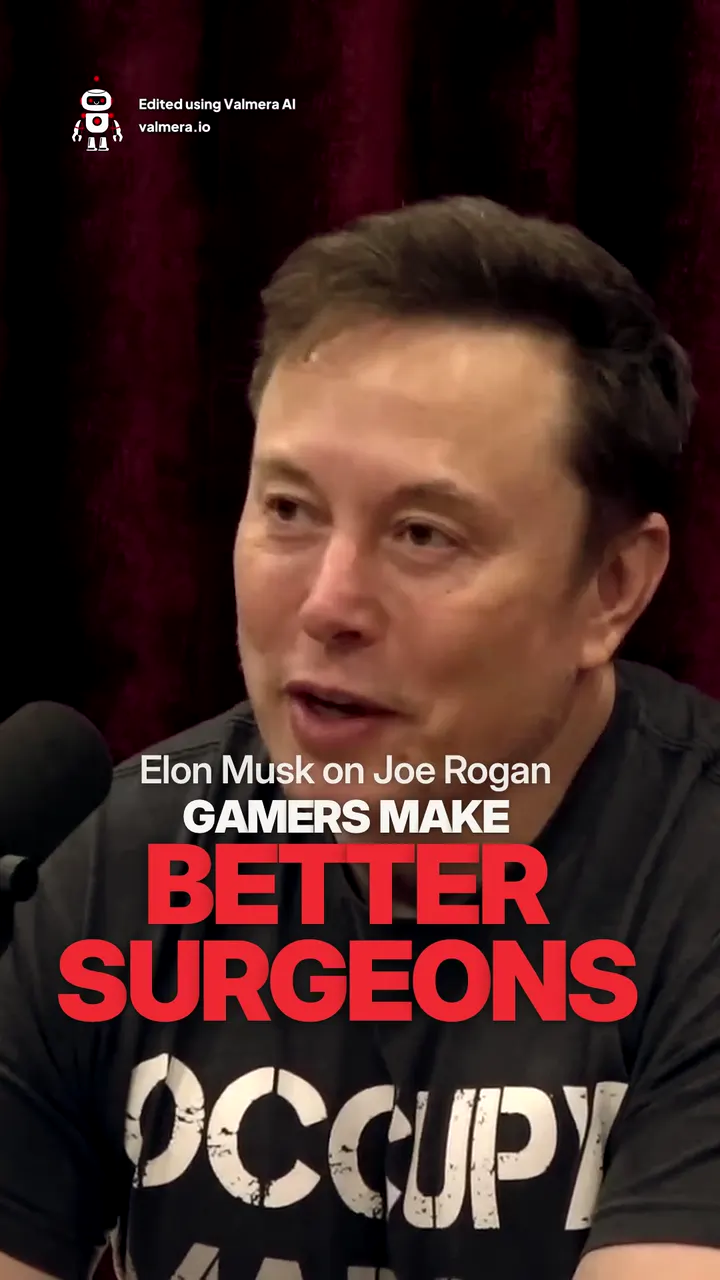
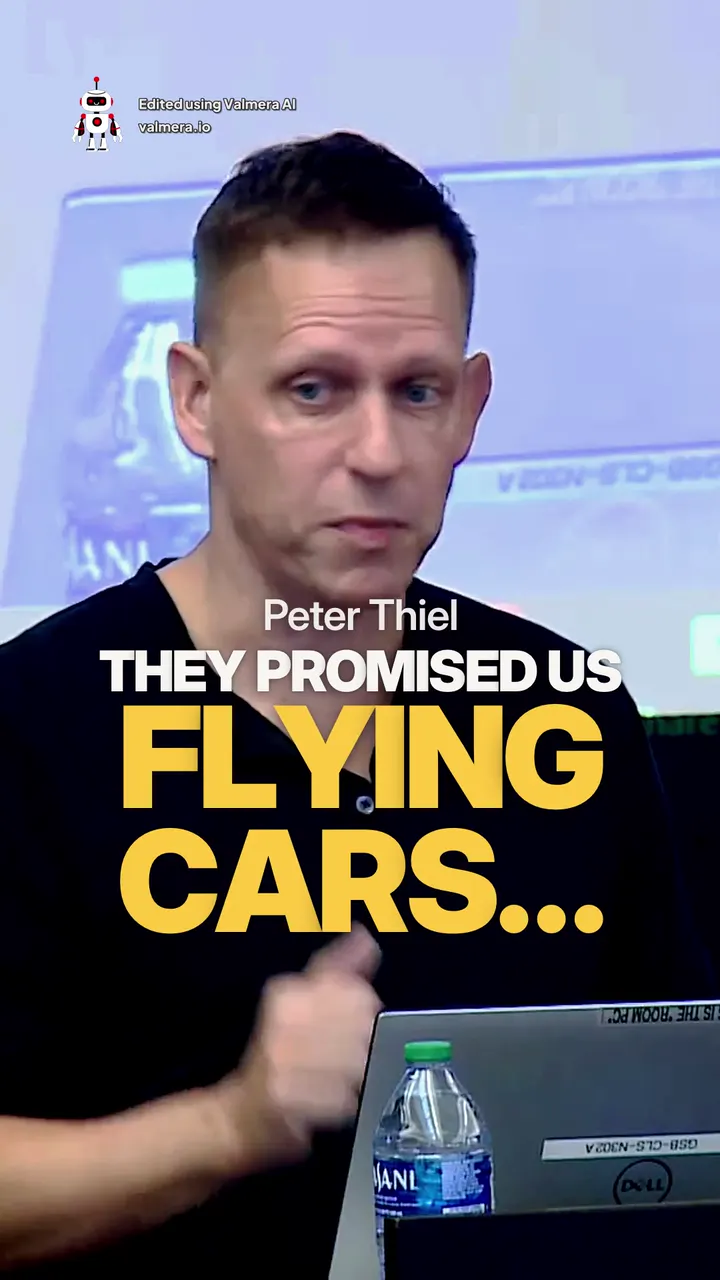
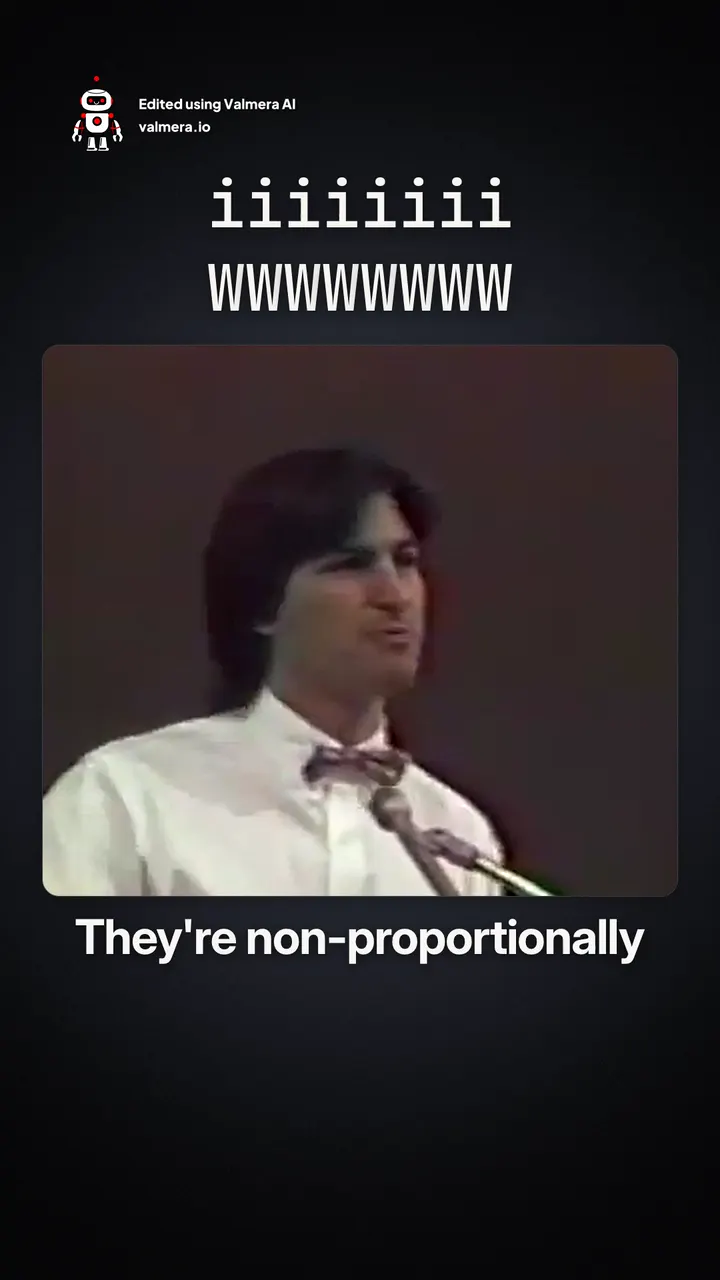
Made with Valmera: real exports
Repurpose Your Next Video with Valmera
One upload in, a batch of captioned verticals out, each one revisable by chat.
Create an account →