Valmera vs Descript (2026): AI Editing, Pricing and MCP
Both Valmera and Descript can edit uploaded video from written instructions. Valmera combines an editing agent with a browser Studio for reviewing cuts, captions, framing and audio. Descript combines its Underlord agent with transcript, scene and multitrack editing. Choose around how you want to revise and deliver a video, then test that workflow on your own footage.
Published by Valmera, which sells a competing editor. Descript sources checked September 5, 2026. See our editorial policy.
Compare the work you need to finish
| Decision | Valmera | Descript |
|---|---|---|
| Editing requests | Chat agent, editable transcript and timeline | Underlord, transcript and scene controls |
| Review mechanisms | Agent checks its own preview; replies verified against stored edits | Automatic review after Underlord edits; manual review controls |
| Recorded podcast | Edit an uploaded recording from a brief; cuts land on word boundaries | Multitrack podcast workflow and transcript editing |
| Screen capture | Website recording tools; upload other screen recordings | Screen recorder within its production workflow |
| Assistant access | MCP server with 143 tools (live server card, October 2026), including final export | API and MCP for imports and Underlord requests |
| Final delivery | Full-resolution MP4 from Studio or MCP; brief end card | Check export resolution and API delivery support |
| Free access | Free account and uploads; editing requires a subscription | Limited free editing plan |
Descript documents prompt-driven revisions alongside manual text and scene controls. Its Underlord overview, podcasting page and screen recorder page describe these workflows. Valmera's first-edit guide and tool reference explain its supported operations.
When Valmera fits
Choose Valmera when you already have a recording and want the edit done from a conversation. Upload MP4, MOV, M4V, WebM or MKV files up to 14 GB and 3 hours, then ask for specific cuts, captions, music ducking or a different frame. The agent edits, checks its preview and reports back. You can also adjust the timeline or correct the transcript.
For example, a founder can upload a product walkthrough, identify an opening to remove, add captions and request a vertical excerpt. Music comes from an uploaded file or real tracks found on the web, and Shorts turns one long recording into multiple shorts you refine by chat. Valmera has no built-in audio denoising or team seats; clean noisy recordings beforehand and handle approvals outside Valmera.
When Descript fits
Consider Descript when working through a transcript or managing separate podcast tracks is a regular part of your process. Underlord can handle editing requests, and the surrounding editor provides another way to make corrections. A screen-recording workflow may also be useful when you need to capture the material before editing it.
For a beginner, the useful comparison is the first revision: restore a sentence, fix a name and adjust a crop. Notice which interface makes the change understandable and easy to review. Counting prompts alone misses the time spent checking and repairing the result.
How each editor checks its work
Valmera's agent renders a preview, inspects its own frames and audio, and repairs problems before it reports back; a server-side check compares its reply with the edits actually stored. Descript's changelog describes a second pass that compares Underlord's changes with the request, checks for problems such as unintended deletions, and can trigger a repair. Read Descript's edit-review announcement.
With either tool, watch the result before you publish: a clean cut can still drop the setup to a story. In Valmera, any removed passage can be restored with one request.
Pricing: compare a finished project
Creating a Valmera account and uploading are free; editing requires a subscription, and credit usage depends on the work performed. See Valmera plans.
Descript lists Hobbyist at $24 per person/month on monthly billing, or $16 per month with annual billing. It includes 10 media hours, 400 AI credits and watermark-free 1080p export. A limited free plan is available; higher plans change allowances and export options. See Descript pricing.
The credit units are different, so compare the plan your input needs, the credits used by the first edit and revisions, export requirements and your review time.
MCP access and the final-file handoff
Valmera's MCP server (https://valmera.io/mcp/server) lets Claude, ChatGPT, Cursor and other assistants inspect a project, call 143 tools (live server card, October 2026), render previews and export the final MP4: export_final, then wait_for_job, then download_url. The assistant edits with the tools directly rather than handing the job to Valmera's in-house agent. Paid exports have no watermark and end with a brief Valmera end card. See MCP setup.
Descript's API page documents MCP-triggered imports and Underlord edits, with API access drawing on a paid plan's allowances. It describes publishing links and download URLs but also lists limitations on direct media export. Verify the current endpoint and delivery path for your integration before promising an unattended finished-file workflow. Read Descript's API and MCP guidance.
If a client needs separate subtitle files, note that Valmera burns captions into the picture and does not import or export SRT/VTT files.
Try the same brief before choosing
Use a short, representative recording you have permission to process, and give both tools this brief:
Make a 60-second excerpt explaining the main benefit. Keep the speaker's actual words and the sentence that qualifies the claim. Trim the opening dead air, add readable captions, and use a vertical frame that keeps the face and product visible. Do not add music yet.
- Check the chosen passage against the source. Did it preserve the intended meaning?
- Ask to restore one sentence and correct a name. Check whether both changes appear in the preview.
- Watch the export, including the beginning and ending. Check framing, caption readability, sound and branding.
- Record total credits, review time and unresolved issues. Choose based on the completed file and the process you can repeat.
Frequently Asked Questions

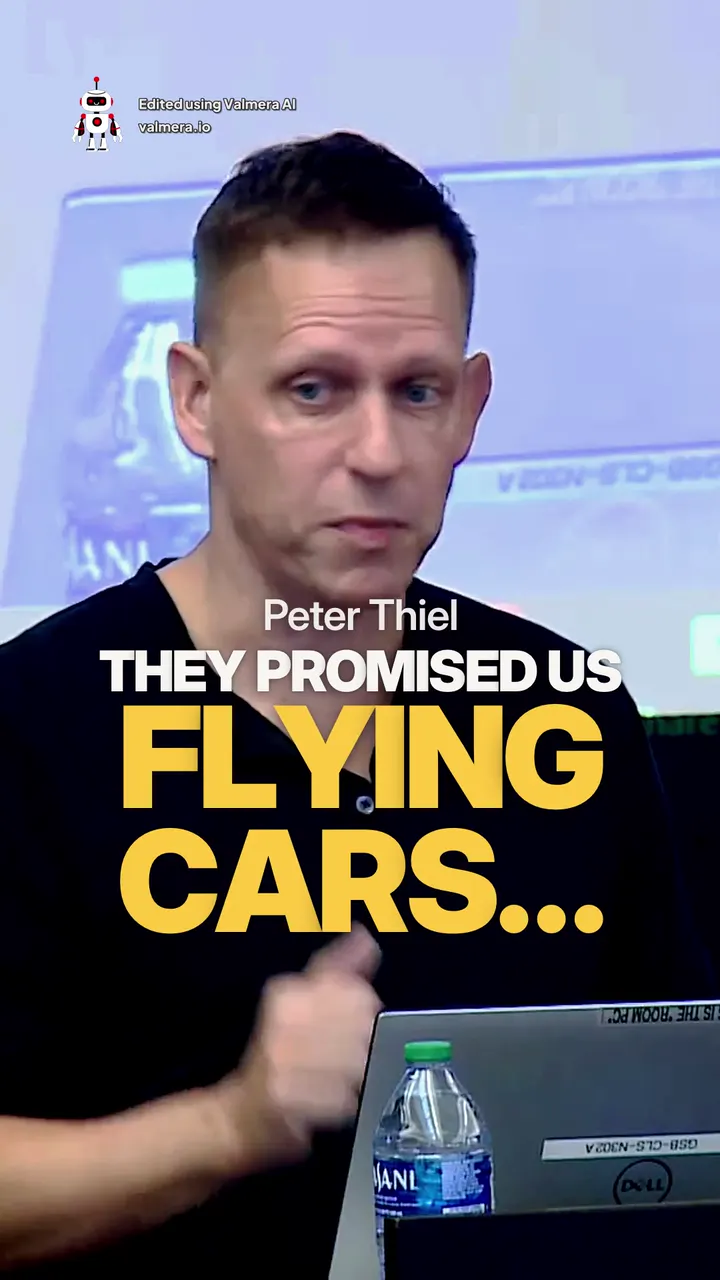
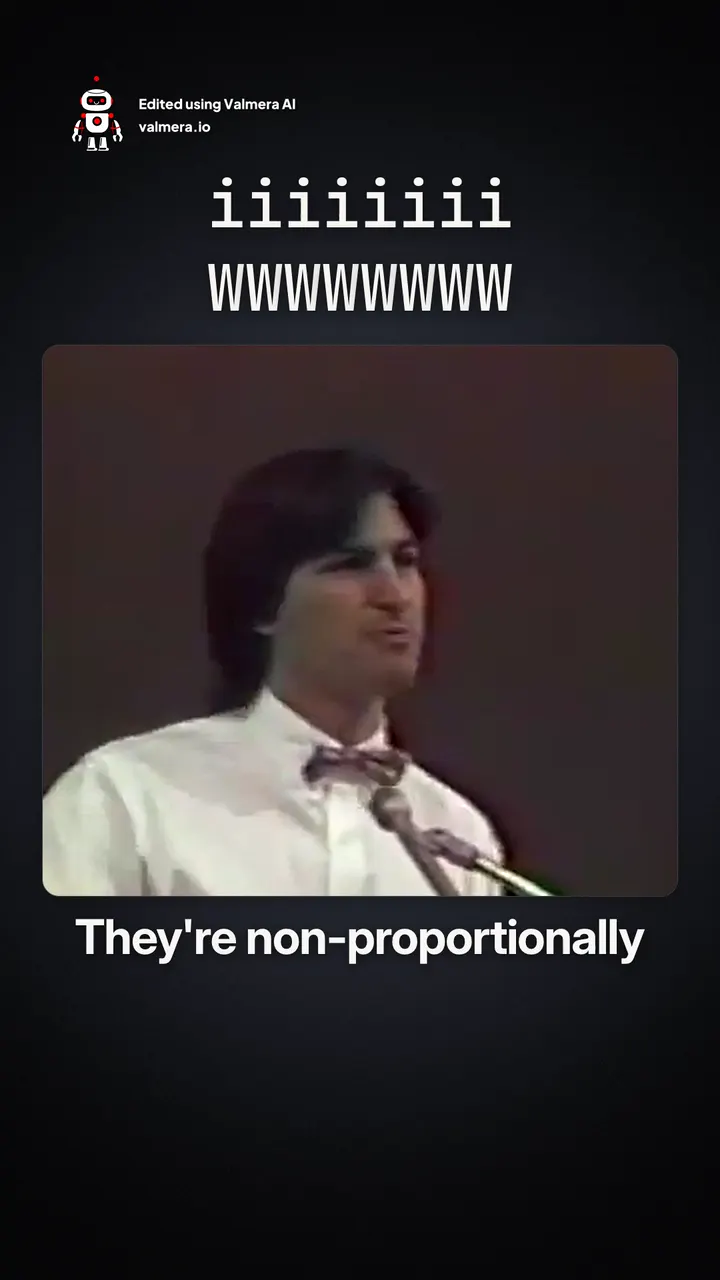
Made with Valmera: real exports
Plan your first Valmera edit
Read the upload and review steps before starting. Account creation and uploads are free; editing requires a subscription.
Read the first-edit guide →