Turn a Long Video into Shorts with AI
To turn a long video into shorts with AI, upload it to Valmera in Shorts mode and press Make shorts. Valmera’s story scout reads the whole conversation and pulls out every complete story, with a hook, a development and a payoff, and each one becomes its own short. Press Edit on a short and an editing agent cuts it, reframes it to 9:16 and adds word-timed captions; you refine it by chat and export a full-quality MP4.
It works on podcasts, interviews, webinars, talks, streams and vlogs up to 3 hours long, and the same vertical shorts fit YouTube Shorts, TikTok, Instagram Reels and LinkedIn.
Make Shorts from Your Long Video
Upload once, get a board of complete stories, and edit each into a captioned vertical short. Creating an account and uploading are free; editing requires a subscription.
Create an account →How to Turn a Long Video into Shorts in Valmera
- 1Switch to Shorts and uploadOn the upload screen, flip the toggle from LONG VIDEO to SHORTS and add the recording: MP4, MOV, M4V, MKV or WebM, up to 14 GB and 3 hours. Valmera indexes it once: transcript with speaker labels, shot changes, silences and frames.
- 2Describe the shorts you wantSay who they are for and where they will run: “TikTok and Shorts, hook in the first two seconds, bold captions.” Optionally add a style reference, one short you like, for every short’s editor to study.
- 3Review the story cardsPress Make shorts. The scout returns one card per complete story, with a title, its payoff and its length. Press Re-cut for a fresh set if the selection misses.
- 4Edit the shorts you wantPress Edit reel on a card. A fresh editing agent tightens the cut, reframes it to 9:16, adds captions and anything else that serves the story, and checks a rendered preview before the card turns Ready.
- 5Refine and exportOpen any short and adjust it in chat: “start on the question,” “bigger captions.” Press Export ready shorts to queue every finished short; each downloads as its own MP4.
Find the complete stories in this episode for TikTok and YouTube Shorts. Hook in the first two seconds, 30 to 60 seconds each, bold captions.Make clips for LinkedIn: professional tone, clean captions, and keep the guest's full answers.In this short, start on the question instead of the answer, tighten the pauses and make the captions bigger.Edit it like my style reference: the same caption energy and pacing, but no sound effects.Story-Driven Clips, Not Random Cuts
Most clip generators score sentences and cut around the best one, so a short often opens on an answer without its question or ends before the point lands. Valmera’s scout works like a story editor: it keeps a window only when it can name its setup, development and payoff.
| What the scout checks | Why it matters |
|---|---|
| A hook or setup up front | The first seconds give a viewer a reason to stay. |
| Development that moves | A list of facts isn't a story. Something has to change or deepen. |
| A payoff | An answer, reveal, lesson, decision or punchline. The short ends when the point lands. |
| Sentence boundaries | No short starts or stops mid-sentence. |
| The question an answer needs | In interviews the question stays in, so nobody is quoted out of context. |
| Honest titles, no overlaps | Titles can tease but never misrepresent, and no two shorts share footage. |
When there is little or no speech, as in gameplay, sports or product footage, the scout reads labeled frames instead and looks for visual arcs: a setup and an outcome, a reveal, a before and after. If nothing in the source stands on its own, it says so rather than filling the board with fragments.
What Each Short Gets When You Press Edit
Cards start as plain story cuts, so you choose which ones are worth finishing. Pressing Edit hands that short to its own editing agent along with your brief and style reference:
| Element | What happens | Change it with a message like |
|---|---|---|
| Cut | Dead air, false starts and filler trimmed on word boundaries | “Keep the pause before the punchline.” |
| Frame | Reframed to 9:16: the crop aims at the speaker; screens and gameplay are fitted over a blurred backdrop; the crop re-aims at each camera cut | “Fit the whole screen, don't crop it.” |
| Captions | Word-timed and burned in, in a preset that suits the brief: reels, podcast, beast, karaoke, spotlight and more | “Karaoke captions with a yellow highlight.” |
| Emphasis | Caption emphasis and the occasional punch-in on words the speaker actually stresses | “No zooms on this one.” |
| Extras | B-roll, your music, sound effects or a hook title, only where they serve the story | “Show stock footage of a factory when he mentions it.” |
| Check | A preview the agent renders and inspects, frames and audio, before the card turns Ready | “Send me the preview.” |
Each short opens in the full AI video editor, your upload is never modified, and any cut can be restored. See how the crop is chosen on the auto reframe page and the caption styles on add captions to video.
YouTube Shorts, TikTok, Reels and LinkedIn from One Video
Every short exports as a vertical 9:16 MP4, 1080×1920 from a 1080p source. Shorts run from 10 seconds to 2 minutes: long enough for a complete story and inside YouTube’s 3-minute limit for Shorts (YouTube Help, checked October 6, 2026). If you also need a square or 4:5 cut for a feed post, ask for it on that short and export again; the earlier version stays in the project history. The resize guide lists every platform’s sizes, and the TikTok creators guide covers a weekly posting routine.
Batch-Create Many Shorts from One Video
One Make shorts run creates every story card from the source in a single pass. Each card is a separate project, so you can open a finished short while the others are still being edited. When several are Ready, Export ready shorts queues all of their final renders at once, up to 30 per click, and each short downloads as its own full-resolution MP4.
Working through Claude, ChatGPT or Cursor? Over the Valmera MCP server, your assistant reads the transcript and picks the story ranges itself; make_shorts then creates one project per range, with no captions or framing yet. The assistant opens each with open_short to edit it, can apply one change, such as a caption style, to up to 30 shorts per request with apply_short_edit_batches, and exports each short with export_final.
Can AI Find the Viral Moments?
No tool can promise a short will go viral, and any “virality score” is a model’s guess. AI can find the moments with the ingredients: a clear hook, a payoff, a spike in energy. Valmera selects for those and shows you every candidate before anything is published. To join the best moments into one piece instead, use the highlight reel generator.
Valmera vs Automatic Clip Generators
OpusClip is built for volume: its ClipAnything model picks moments from any genre, ReframeAnything resizes with object tracking, and clips publish to social platforms in one click (opus.pro, checked October 6, 2026). Choose it for many clips with minimal input and direct publishing. Choose Valmera when each short should be a complete story you can direct: every short has its own editing agent, so “start on the question” is one sentence. See the full Valmera vs OpusClip comparison.
Limits
There is no virality score or guarantee. Each Shorts run uses one source video of up to 14 GB and 3 hours, and Valmera cuts from your footage: it doesn’t generate video or music, so bring your own track if you want one. Crop positions are set per camera shot, so a subject who walks across one long shot isn’t followed. Captions are burned in with no SRT or VTT file, English is the best-tested language, and there is no direct publishing: download each MP4 and post it.
Frequently Asked Questions
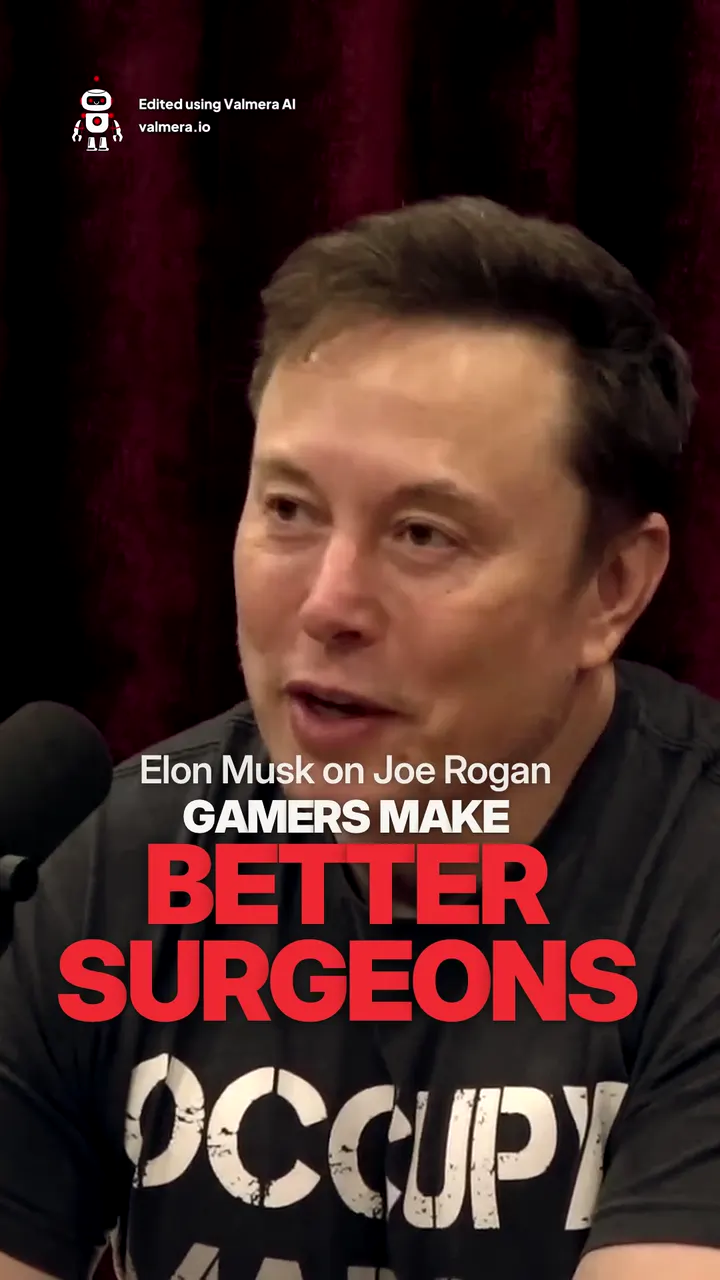
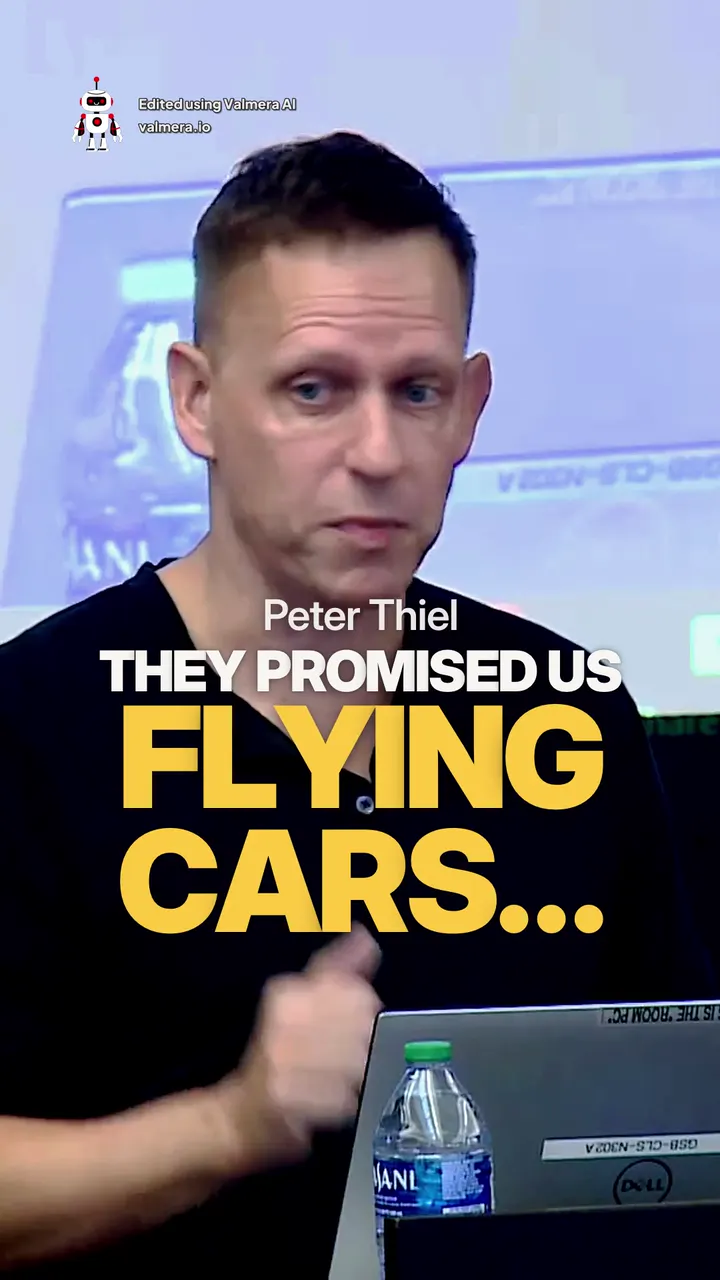
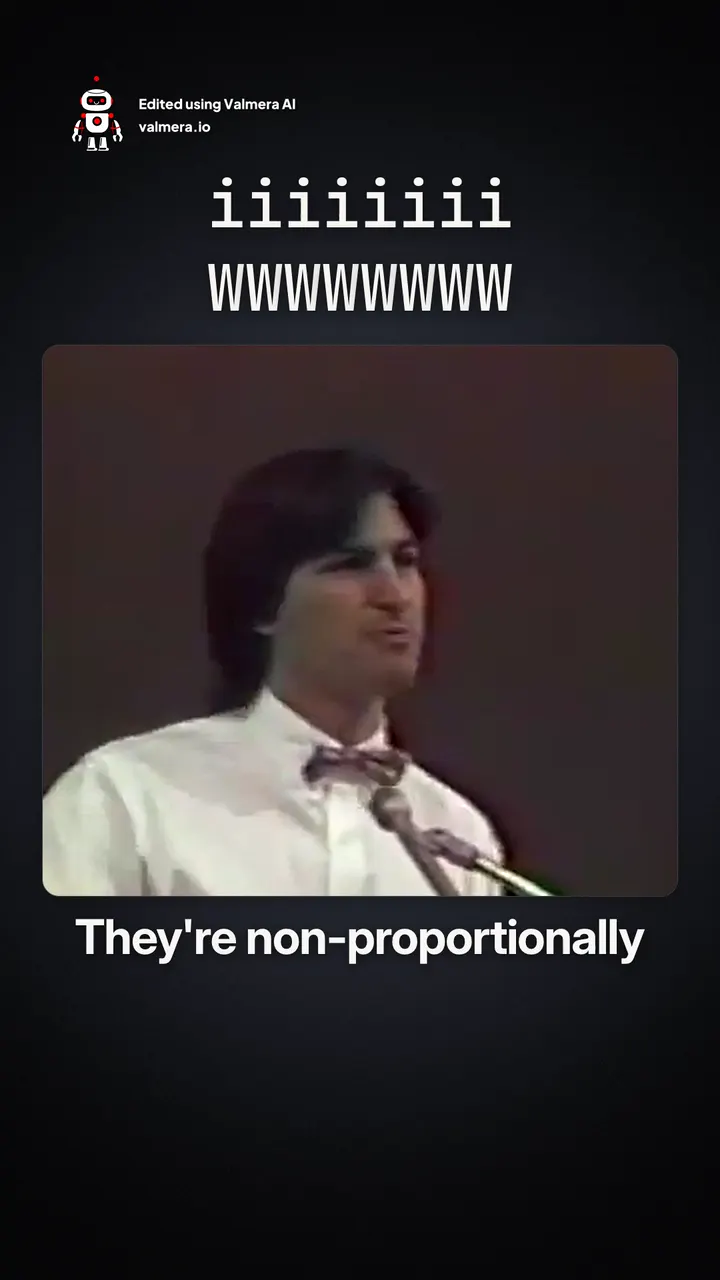
Made with Valmera: real exports
Turn Your Long Video into Shorts
Complete stories, reframed and captioned, each refined by chat and exported as its own MP4. Creating an account and uploading are free; editing requires a subscription.
Create an account →