How to Edit a Video Podcast with AI
To edit a video podcast with AI, upload the episode, tell the editor who is speaking, and ask for the cleanup: dead air, filler words and false starts out, the conversation kept intact. Then frame, caption and master it, and cut the best stories into vertical shorts. This guide walks through each step with prompts you can paste, using Valmera as the example, and compares the other main tools fairly.
Edit This Week's Episode
Upload the recording, describe the edit, and review the preview. Creating an account and uploading are free.
Create an account →How to edit a video podcast with AI, step by step
- 1Record with the edit in mindGive each person their own microphone, keep the room quiet (AI editors cut noise poorly or not at all), and frame a wide shot with both people or a camera per person. With more than one camera, clap once on camera so the angles can be lined up.
- 2Upload and let it indexUpload the episode (in Valmera: MP4, MOV, M4V, MKV or WebM, up to 14 GB and 3 hours). Indexing builds a word-level transcript with speaker labels, plus shots and silences.
- 3Name the speakers and fix the namesMap the labels to people (“S0 is Maya, the host; S1 is Dev”). Correct misheard names and terms once in the transcript and every caption follows.
- 4Clean up, but protect the conversationAsk for dead air, ums, false starts and repeated takes to go, and name what must stay: laughter, a thoughtful pause, a passage to leave untouched. Listen across the joins.
- 5Shape the episodeCut tangents, add a title card at each topic change and a name title for each guest, and edit by speaker where it helps (“cut the host's restarts”). The main recording plays in recorded order, so for a cold open, upload the moment as a separate clip and ask for it first.
- 6Frame, caption and masterKeep 16:9 for YouTube, add captions, put the theme music under the intro ducked under speech, and master the mix to -14 LUFS.
- 7Cut the highlights and exportAsk for shorts: complete stories framed on whoever is talking, with captions. Export the episode and the clips as MP4s and post them yourself.
Indexing runs once per upload; after that, every step is a chat message and a fresh preview you check.
Cleanup that keeps the conversation natural
In Valmera, silence removal cuts pauses of 0.5 seconds or longer by default, keeps a little breathing room, and snaps every cut to a word edge so no syllable is clipped. Filler removal takes out um, uh, er and ah from the word timings; add habit words such as “you know” by name and listen before you keep them. For repeated takes, the agent keeps the last attempt unless you say otherwise. Every cut is reversible. See remove silence, remove filler words and remove repeated takes.
Two or more speakers
The transcript labels each line by speaker, so you can edit by person and frame by person. In a vertical cut, the agent aims the crop at whoever is speaking in each section, keeps the full two-shot when the reaction matters, and with a side-by-side recording crops to the half that is talking. Framing switches at speaker turns; it doesn't continuously follow someone who leans out of frame. With a camera per person, upload the extra angles as clips and give the clap times. The podcasters guide covers each setup.
Music and loudness
Upload your theme track (MP3, WAV, M4A, AAC or OGG, up to 50 MB) and say where it goes; it's ducked under speech automatically. The master normalizes the final mix to -14 LUFS with a -2 dBTP ceiling, which suits YouTube, Spotify video and social clips. Apple Podcasts recommends about -16 LKFS for audio, so master an audio-only feed separately; the loudness targets guide lists each platform.
Example requests to copy
S0 is Maya (host), S1 is Dev (guest). Cut silences over 0.6 seconds, ums and false starts, but keep laughter and the pause before Dev's answers. Add podcast captions, my uploaded intro clip at the start, and master to -14 LUFS. Keep it conversational, not rushed.
Solo episode with several false starts and repeated lines. Keep the last take of each, remove long pauses, add captions, and bring it under 20 minutes without cutting any of the three main points.
I uploaded cold-open.mp4, Dev's line “We had forty customers and none of them paid.” Put it at the very start with the line as on-screen text, then a title card with the episode name, then the normal intro.
Make shorts from this episode: complete stories about pricing and hiring, 30–90 seconds each, starting on the question that sets them up. Frame whoever is speaking, bold captions, no music.
Make a 60-second vertical clip of Dev's answer about [topic] at [time]. Keep Maya's question as on-screen text instead of audio.
Turn the Episode into Shorts
Complete stories, framed on the speaker and captioned, from the same upload.
Start a podcast project →Choosing video podcast editing software with AI
Each tool is strongest at a different job. Descriptions come from each product's own pages, checked October 6, 2026.
| Tool | Best for | What it offers |
|---|---|---|
| Descript | Editing the episode as text | Transcript editing, Automatic Multicam, Studio Sound, filler removal and Create Clips, with publishing to YouTube. |
| Riverside | Recording and clipping in one place | Records remote guests; Magic Clips picks highlights from recordings or uploads, with speaker or topic focus. |
| OpusClip | High-volume clips and posting | Finds highlights, reframes with AI object tracking, adds captions and publishes to social platforms. |
| Valmera | Directing the whole edit in plain English | An agent cleans up, edits by speaker, frames, captions and masters the episode, then turns it into complete-story shorts; also available to assistants over MCP. |
If your audio needs repair, a tool with noise removal belongs in the chain before or alongside Valmera. If you want the edit done from a brief and revised in conversation, or run from Claude or ChatGPT through the MCP server, that is where Valmera fits.
Limits in Valmera
- No audio noise removal or per-microphone leveling inside one mixed track.
- Framing is chosen per section, and separate cameras aren't synced automatically.
- The main recording plays in recorded order; upload a moment separately for a cold open.
- Captions are burned in, with no SRT or VTT export.
- No direct publishing to YouTube, Spotify or TikTok; exports end with a brief Valmera end card.
- English is the best-tested transcription language.
New to Valmera? Read the cuts and cleanup docs or how the AI video editor works.
Frequently Asked Questions

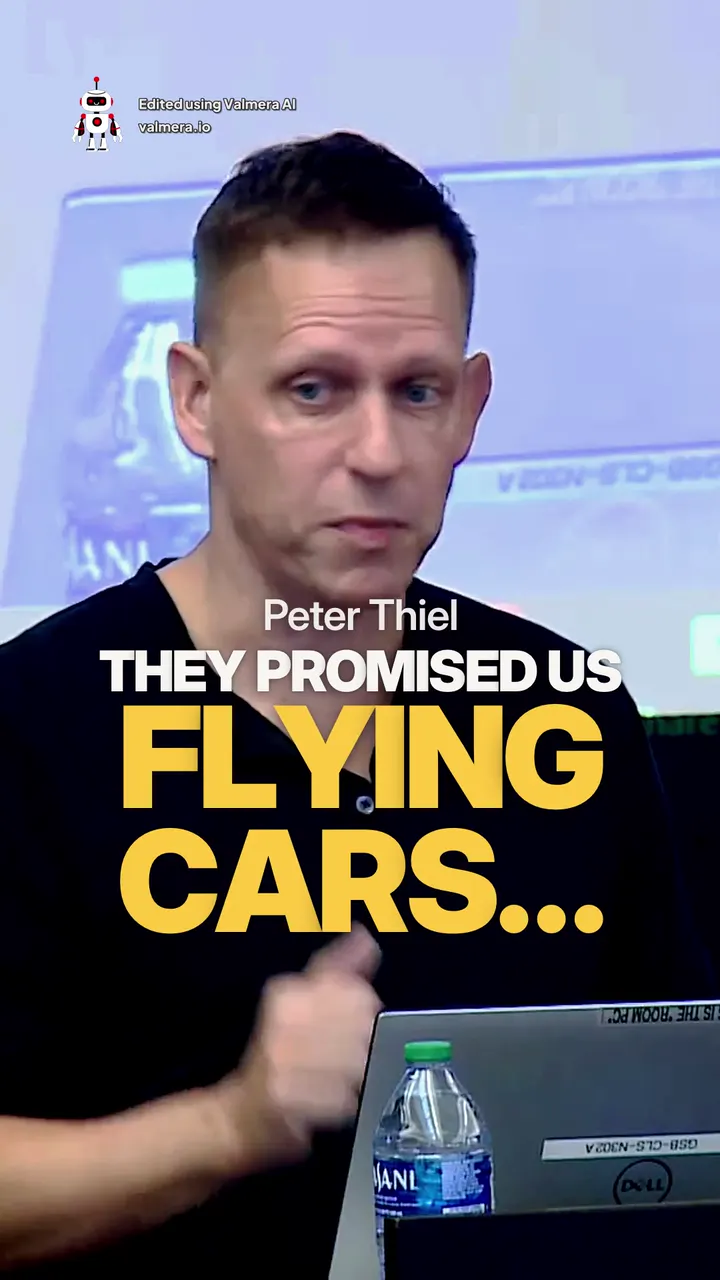
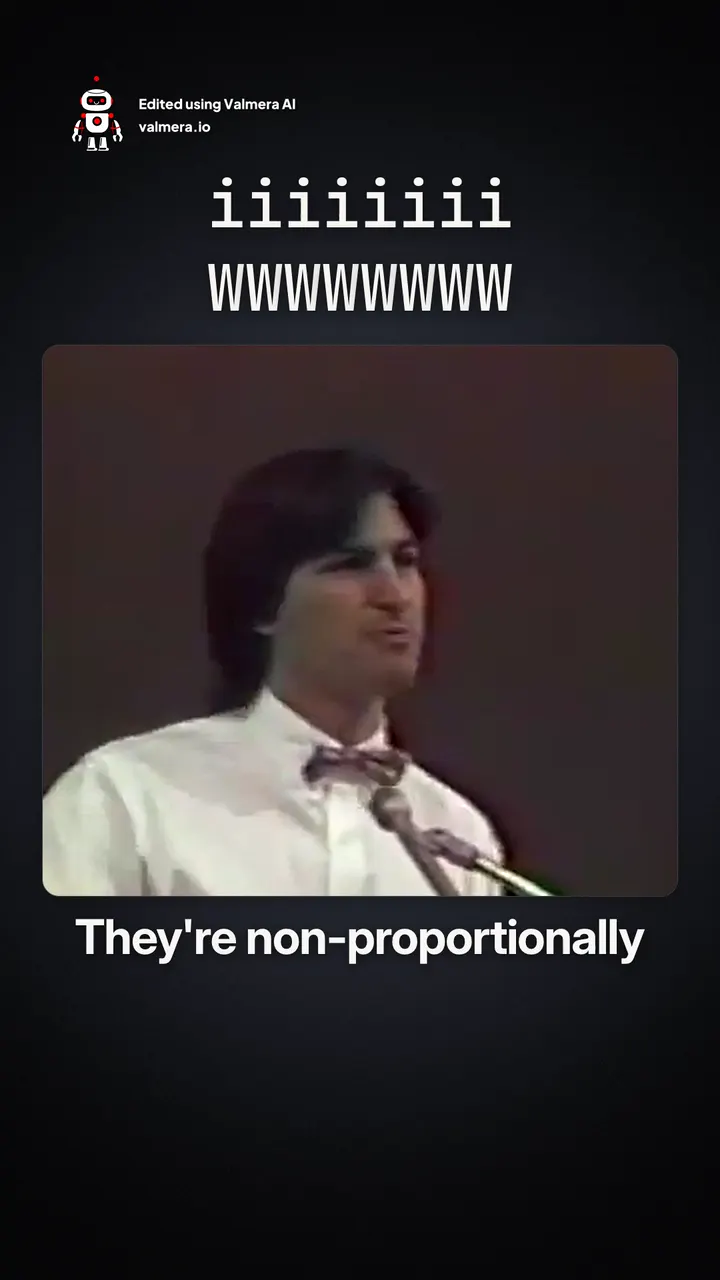
Made with Valmera: real exports
Edit Your Podcast with Valmera
A clean episode, speaker-framed shorts and a -14 LUFS master, from plain-English requests.
Create an account →