Valmera vs InVideo: Which AI Video Tool Do You Actually Need in 2026?
This is not a feature race between two editors — it is a category question. InVideo is an AI video generation platform: you describe a video and it produces footage using Sora 2, Veo 3.1, Kling and more than 200 other models, plus AI avatars and agent workflows. Valmera is an agentic editor for footage that already exists: you upload what you filmed and describe the edit, and an AI agent performs it end to end. Pick by asking one question — do you have footage, or do you need footage?
InVideo wins when you have nothing filmed and need a video to exist — an ad concept, a faceless explainer, an avatar presenter, or B-roll of a scene you can't shoot. Generation is its entire discipline and Valmera does not compete there. Valmera wins when the footage is already on your drive and the job is turning it into something watchable: cutting the dead air, keeping the best take, styling captions to your actual words, and mixing music under your voice.
Already Filmed It? Start Here
Upload your footage, describe the edit, download the finished video. Account creation and uploads are free; editing requires a subscription.
Subscribe →Feature Comparison
| Feature | Valmera | InVideo |
|---|---|---|
| Core purpose | Edits footage you filmed | Generates video from prompts |
| Generates footage from a text prompt (200+ models) | ✗ | ✓ |
| AI avatars / synthetic presenters | ✗ | ✓ |
| Upload your own long footage (to 14GB / 3 hours) | ✓ | ✗ |
| Word-level transcript of your real speech | ✓ | ✗ |
| Silence, filler-word and repeated-take removal | ✓ | ✗ |
| Styled captions timed to your own words | ✓ | ✗ |
| Music library with automatic ducking under speech | ✓ | ✗ |
| Transitions, color grades, zooms, on-screen text | ✓ | ✗ |
| AI images and short clips (5s / 10s) generated inside the edit | ✓ | ✓ |
| Review final output before delivery | ✓ | ✓ |
| Access | Free account and uploads; editing requires a subscription | Plus / Max / Generative / Elite plans |
| Credit model | Charged by the work each edit takes | Unused credits do not roll over |
| Native mobile apps | Mobile browser | iOS + Android |
Two Different Problems, Two Different Tools
Almost every complaint about "AI video tools" comes from someone using the wrong half of the category: generation platforms and editors live under the same search terms but solve opposite problems.
InVideo sits firmly on the generation side. It routes your prompt to a catalogue of over 200 models — Sora 2, Veo 3.1 and Kling among them — and can build videos with AI avatars and agent workflows on top. The output is footage that did not exist before you asked for it, which is genuinely useful when there is no camera in the story: concept ads, faceless channels, product mockups, storyboards you can actually watch.
Valmera sits on the editing side and stays there. Your upload is transcribed and analyzed once, with visible progress, and from then on the agent works against a word-level map of what you said and what is on screen. That is why a request like "keep the best take and delete the rest" means something in Valmera and nothing in a generator: there are no real takes to compare in generated footage.
When InVideo Is the Better Choice
If you have no footage and no intention of filming any, this comparison ends here — InVideo is the right tool and Valmera cannot replace it. Valmera can generate an image or a short 5- or 10-second clip as an insert inside an edit, but it is not a generation platform: it has no avatar system, no model catalogue to choose from, and no workflow for producing a whole video out of a prompt.
Choose InVideo when you want a synthetic presenter delivering a script instead of appearing on camera; when you need shots that would be expensive or impossible to film; when you are exploring a concept and want to see several visual directions before committing; or when you want to try several frontier generation models without holding a subscription to each one. Its agent workflows carry a script through to a finished generated video, and it ships native iOS and Android apps alongside the web product. That is a real capability and a real market.
When Valmera Is the Better Choice
The moment there is a real recording involved, the whole calculation flips. A podcast, a webinar, a tutorial, a client interview, a vlog shot on a phone — none of that gets better by being regenerated. It needs cutting, and cutting is a transcript problem.
In Valmera you ask for the edit in plain English and the agent performs it: remove every silence with cuts snapped to word boundaries, strip um, uh, er and hmm plus any custom words you name, find the repeated takes and keep the best one, then finish the video in the same conversation. Captions are word-timed and come in named presets with bundled fonts, entrance animations, and per-word emphasis. Music is your own upload or a specific song you name, and it ducks smoothly under speech. Then the polish layer: 7 transition styles, 6 color-grade presets plus custom exposure, contrast, saturation, temperature and tint, targeted zooms up to 2.5x, automatic punch-ins on your most emphasized words, on-screen text in 7 designed templates, and speed spans from 0.25x to 4x with voices kept at natural pitch.
When the preview looks right, export the final MP4, in Studio or over MCP with export_final. It renders at full resolution from your original upload, and paid exports end with a brief Valmera end card.
Pricing & What You Are Actually Metered On
Checked August 24, 2026, InVideo's month-to-month plans are Plus at $20 for 75 credits, Max at $100 for 390, Generative at $200 for 800, and Elite at $1,000 for 4,250. The annual view displays lower monthly equivalents—$17, $85, $170, and $900—and charges $200, $1,000, $2,000, and $10,800 for the year. Included credits do not roll over, and model and agent prices can change because different third-party generation models have different rates. See the source-linked complete InVideo pricing and credit breakdown before choosing a tier.
Creating a Valmera account and uploading are free; editing requires a subscription (see current plans). Edits use credits in proportion to the work they take: a silence pass costs little, a long run of revisions more.
Using Both: Generate the Shots, Edit the Story
These tools are not mutually exclusive, and for anything with a script plus real speech, the strongest workflow uses both. Generate the shots you cannot film, download them, then bring them into a Valmera project as picture-in-picture overlays, full-frame covers, or inserted clips between your talking-head sections. You can also paste a link to bring media into an edit, and Valmera can generate an image or a short 5- or 10-second clip itself when a gap needs filling mid-conversation.
If you have no footage at all and want the video built from images, generated stills, music, and text instead, Valmera's canvas projects handle that too — see the AI slideshow maker. Canvas projects have honest limits: with no spoken source there is no transcript, so transcript-driven captions and speed changes don't apply, while manual captions, text, overlays, and music all work.
Your Footage, Edited by an Agent
Describe the cut, the captions, the music. Preview it, refine it, download it. Account creation and uploads are free; editing requires a subscription.
Create an account →Simple, Transparent Pricing
Frequently Asked Questions
The Verdict
InVideo is the better choice if the video does not exist yet and you would rather generate it than film it. A 200-model catalogue, AI avatars, agent workflows, and native mobile apps make it a serious generation platform, and no amount of editing intelligence substitutes for footage you never shot.
Valmera is the better choice if you already pressed record. Real footage needs real cutting — dead air removed, weak takes dropped, captions timed to the words you actually said, music sitting properly under your voice — and that is the entire job Valmera's agent was built to do, from one conversation, with the finished MP4 at the end. If you want a wider read on the category first, our guide on what AI video editing can and can't do covers the honest limits of both sides.
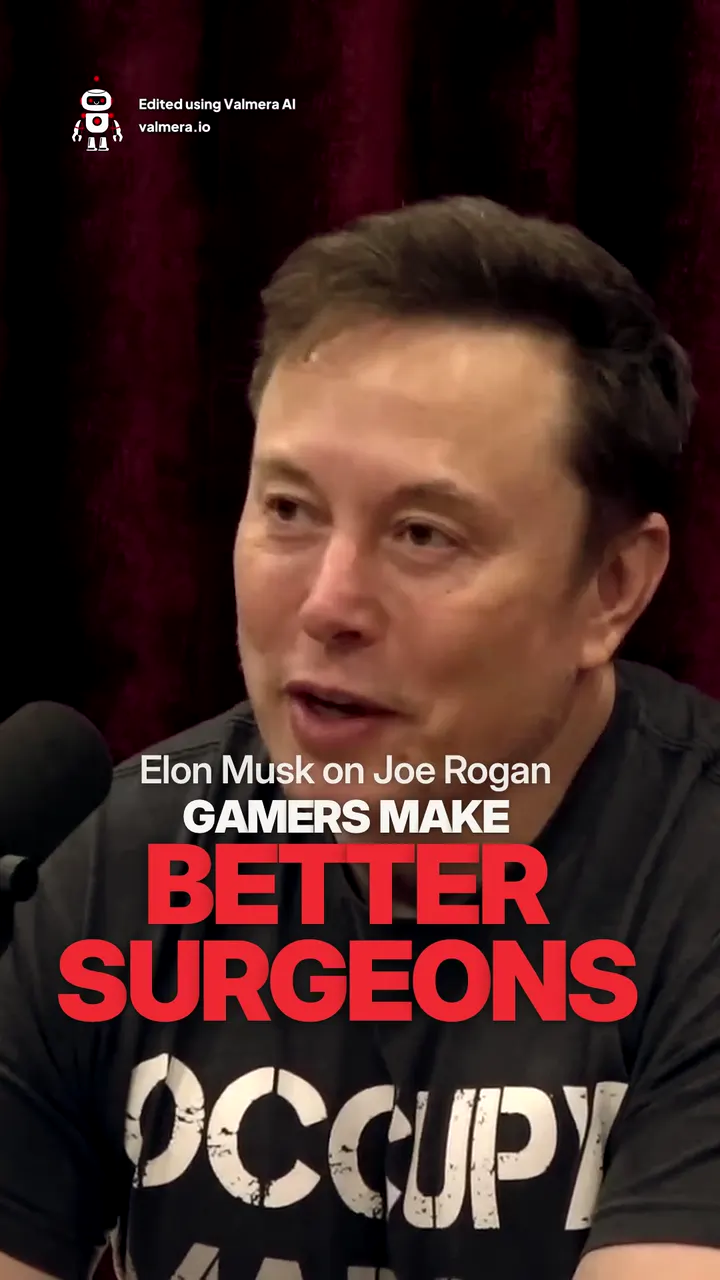
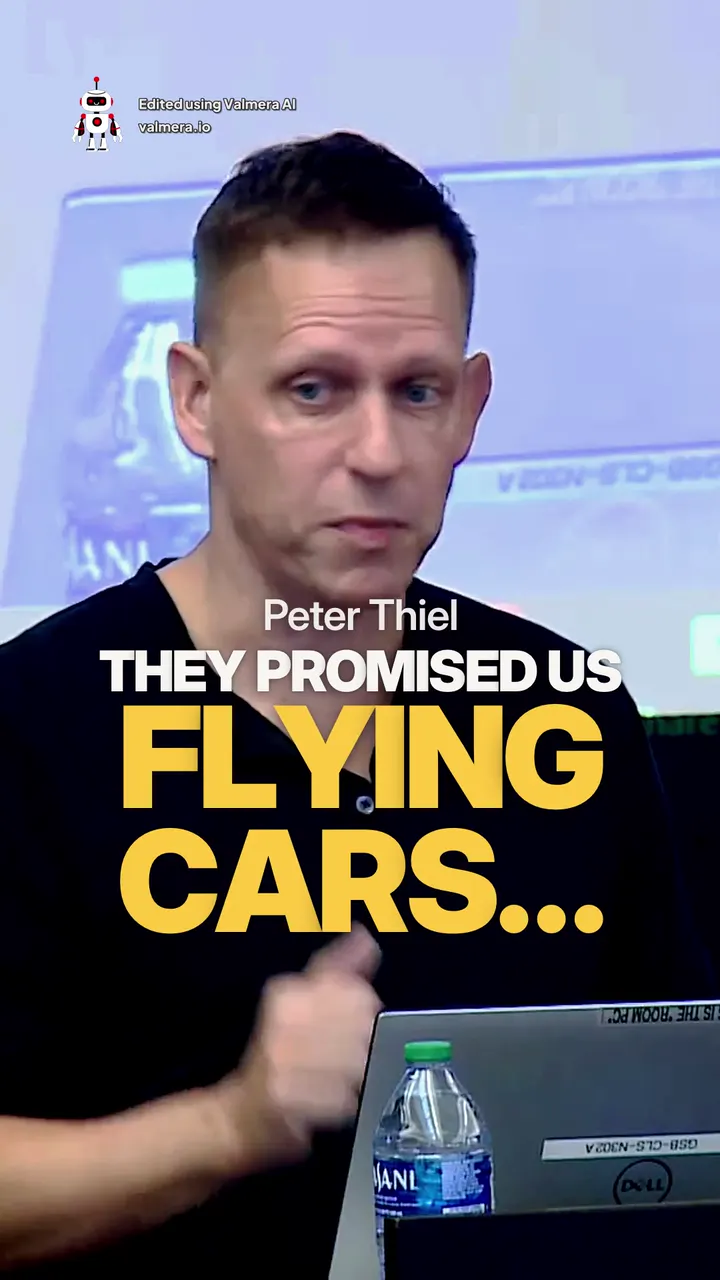
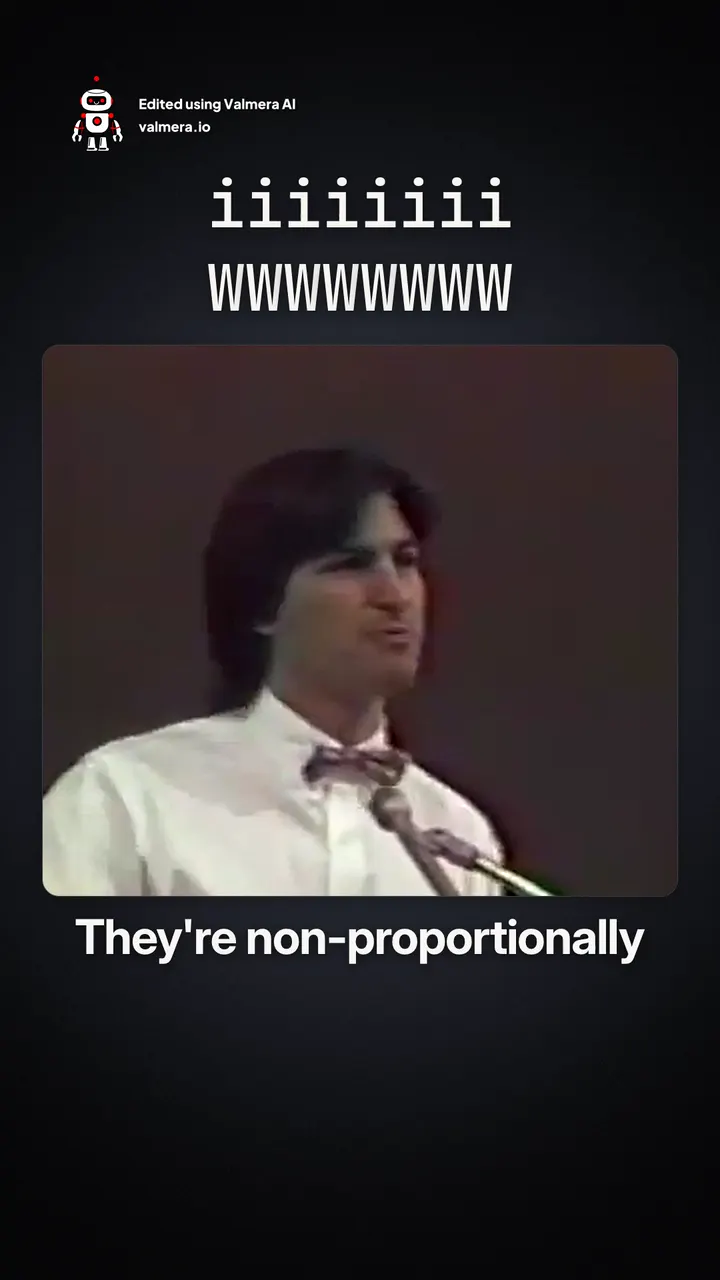
Made with Valmera: real exports
Start Editing with Valmera
The agentic AI video editor. Cancel anytime.
Subscribe →