Valmera vs Gling: Two AI Creator Editors Compared
The simple comparison—“Gling makes a rough cut and Valmera finishes it”—is now too narrow. Gling can add captions, generate B-roll, make social clips, reframe, clean audio, and export a direct video. The decision is really about control and handoff: transcript-and-timeline editing with professional XML export, or conversational direction with a versioned rendered review loop.
Which should you choose?
Choose Gling for a YouTube-centered spoken-video workflow, manual transcript refinement, SRT delivery, or a cleaned XML timeline that continues in Premiere, Final Cut, or Resolve. Choose Valmera when the main goal is to avoid operating the edit: describe a broader multi-operation brief, inspect the rendered result, and give the agent revision notes in the same conversation.
Direct the Edit Instead of Operating It
Upload footage, describe the result, and review the rendered preview. Account creation and uploads are free; editing requires a subscription.
Create an account →Valmera vs Gling at a Glance
| Decision | Valmera | Gling |
|---|---|---|
| Automatic bad-take, silence, and filler cleanup | ✓ | Core specialty |
| Text-based transcript editing | ✓ | ✓ |
| Open-ended plain-English editing briefs | Primary control surface | ✗ |
| Follow-up conversational revisions | ✓ | ✗ |
| AI captions | ✓ | ✓ |
| Separate SRT subtitle export | ✗ | ✓ |
| Auto-framing / zoom | ✓ | ✓ |
| B-roll and social clips | B-roll inserts; Shorts from long videos | ✓ |
| Noise removal and speech enhancement | ✗ | ✓ |
| Transitions, grades, overlays, redaction, and multi-step sound direction | Broad supported tool set | Not Gling's public center of gravity |
| XML to Premiere / Final Cut / Resolve | ✗ | Paid plans |
| Direct MP4 / MP3 | Rendered MP4 | ✓ |
| Primary review artifact | Rendered preview + verified edit state | Transcript + timeline + preview |
| Free production editing | ✗ | 1 hour/month, watermarked |
The Shared Ground: Spoken-Footage Cleanup
Both products can remove the tedious material in a long recording. Gling automatically detects unwanted or repeated takes, silent stretches, and filler words, then exposes the transcript and clips for manual review. Valmera can perform the same category of work from one request—remove silences, cut named filler words, and keep the strongest repeated take—with cuts represented in a non-destructive versioned EDL.
Gling is explicitly speech-led: its own FAQ says footage without speech may not benefit fully because speech-to-text drives the workflow. Valmera also uses a transcript for spoken edits, but its footage index and visual operations extend to sequences where the instruction depends on what appears on screen, external assets, composition, sound, or effects rather than speech alone.
Gling Goes Beyond the Rough Cut
Current Gling pages advertise AI captions, separate SRT delivery, automatic zooming and framing, background-noise removal, speech enhancement, AI-generated contextual B-roll, and viral clips with captions, B-roll, and zoom effects. A creator can export MP4 or MP3 directly instead of always opening another editor. YouTube title and chapter generators plus next-video suggestions make the product a broader publishing companion.
Gling also turns written content into a different kind of video: paste an article, blog, newsletter, tweet, LinkedIn post, or other supported link, select an AI avatar, face, and voice, and generate a talking video. This path is metered by source words rather than edited minutes. It is generation rather than post-production of uploaded footage, but it matters to buyers comparing all-in-one creator tools.
How Valmera's Agent Differs
Valmera's defining feature is not one individual edit; it is the agent's ability to combine supported operations from a written brief. The same request can tighten speech, choose exact source moments, add captions, place external clips or images, layer overlays and text, add and duck music, apply transitions and grades, change speed, blur sensitive material, and reframe for a platform. The agent renders a preview and accepts follow-up notes against the same project.
The honesty layer verifies the reply against the operations actually present in the EDL, so what the agent says it did is what the project contains. Gling instead gives the creator direct transcript and timeline refinement and an exceptionally flexible export menu. An editor who wants to inspect and take over will prefer Gling's model; a director who wants to keep giving notes will prefer Valmera's. See the current editing-tool reference for Valmera's exact capabilities.
Gling Pricing in 2026
| Gling plan | Price | Monthly allowance | Important limits |
|---|---|---|---|
| Free | $0 | 1 edited hour | Unlimited watermarked MP4 exports; no NLE timeline export |
| Plus | $20 monthly / $10 annual equivalent | 10 hours or 300 generated words | No watermark; MP4, MP3, SRT, and XML; no premium support |
| Pro | $40 monthly / $20 annual equivalent | 30 hours or 900 generated words | Adds premium support |
| Elite | $100 monthly / $50 annual equivalent | 100 hours or 2,700 generated words | Highest public volume and premium support |
Annual pricing is advertised as 50% below month-to-month, but the monthly usage ceilings do not increase. Allowance can be split between edited footage and generated-video words. Unused upload hours do not roll over, and Gling does not publish overage or top-up prices on the checked pricing page. Irregular creators should compare likely use against the annual commitment rather than assuming the lowest equivalent is automatically cheapest.
NLE and Subtitle Export: Gling's Clear Win
Paid Gling plans export XML to Adobe Premiere Pro, Final Cut Pro, and DaVinci Resolve. They also export a separate SRT subtitle file, MP4, and MP3. Valmera currently renders a finished MP4 and burns requested captions into the video; it does not provide XML or SRT. If a professional editor must inherit the timeline, or a publisher needs a separate subtitle deliverable, Gling wins the purchase decision.
There is a workflow caveat. Gling says unsynchronized multiple-camera and separate-microphone projects are supported only when exporting to Final Cut Pro or DaVinci Resolve. Premiere, direct MP4, and MP3 destinations require the cameras or microphone to be synchronized before upload. Free users cannot test any of the three NLE exports.
Where Gling Wins
Gling wins for creators who want AI to accelerate a familiar editorial workflow rather than replace it. The automatic first pass, transcript, timeline, desktop apps, and XML handoff let a YouTuber or editor keep precise control. The ability to choose among MP4, MP3, SRT, and three major NLEs is materially more flexible than one rendered output path.
It also wins on YouTube-specific consolidation. Cleanup, captions, short clips, B-roll, auto-framing, noise reduction, titles, chapters, and next-video ideas all address the routine of publishing a creator channel. The hour-based usage model is easy to forecast for a stable recording schedule.
Where Valmera Wins
Valmera wins when the bottleneck is not the first pass but operating the entire post-production session. A creator can express a compound outcome instead of invoking each feature, refining the transcript, arranging a timeline, exporting a project, and finishing somewhere else. The same conversation remains the place for the first instruction, rendered review, and revision notes.
It also covers a broader class of bespoke visual instructions: exact inserts, images, overlays, designed text, transition and grade choices, speed changes, redaction, layered sound, and aspect-ratio revisions. Valmera accepts uploads up to 14 GB and three hours per file; Gling's pricing page lists monthly footage capacity rather than a per-file maximum.
When to Use Both
Use Gling when the next collaborator needs a clean Premiere, Final Cut, or Resolve timeline, or when an SRT file is part of delivery. Use Valmera for the variant where the same source needs a broader agent-directed composition and a rendered approval loop. A creator can also generate clips or B-roll in Gling, export them, and include those files inside a longer Valmera project.
Turn the Brief into a Rendered Edit
Describe the cleanup, captions, inserts, sound, motion, and framing. Valmera performs the supported work and shows the result.
Create an account →Simple, Transparent Pricing
Frequently Asked Questions
Sources and Method
This comparison uses first-party Gling product and pricing pages checked August 24, 2026, plus Valmera's product documentation. Valmera publishes the page and competes with Gling; there are no affiliate links, and Gling is recommended wherever transcript control, SRT delivery, YouTube utilities, desktop workflow, or professional NLE export decides the purchase.
- Gling — Pricing, allowances, exports, and FAQ
- Gling — Product overview
- Gling — Cleanup and text-based editing
- Gling — Captions, noise removal, framing, and clips
- Gling — AI viral video clipping
- Gling — AI B-roll generator
- Gling — Generate video from any link
- Gling — Desktop app for macOS and Windows
- Valmera — AI editing tools
- Valmera — Cuts and cleanup
- Valmera — Plans
Verdict
Gling is the better choice for speech-led YouTube production when the creator wants automatic cleanup plus direct transcript control and the freedom to deliver MP4, MP3, SRT, or a professional NLE timeline.
Valmera is the better choice when the user wants to direct a broader post-production brief through conversation and judge a verified rendered preview rather than operate the transcript, timeline, and finishing handoff. Gling is no longer rough-cut only; control model and export requirements are the honest dividing lines.
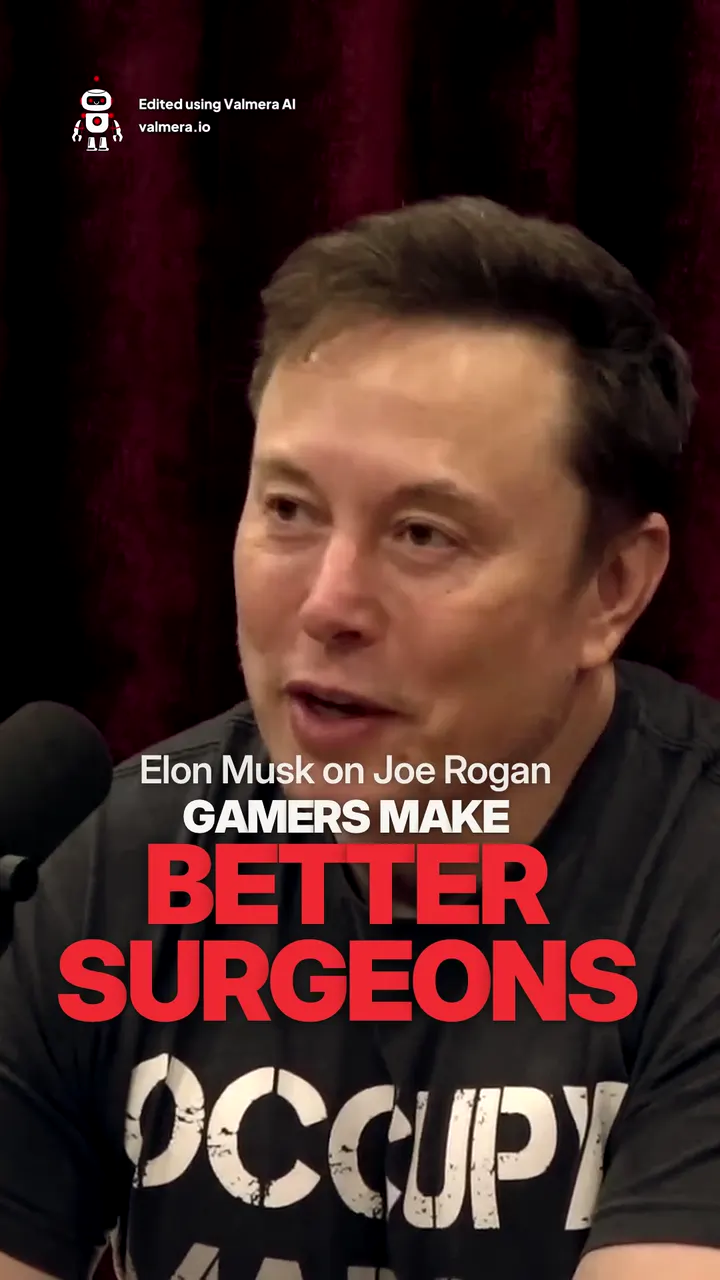
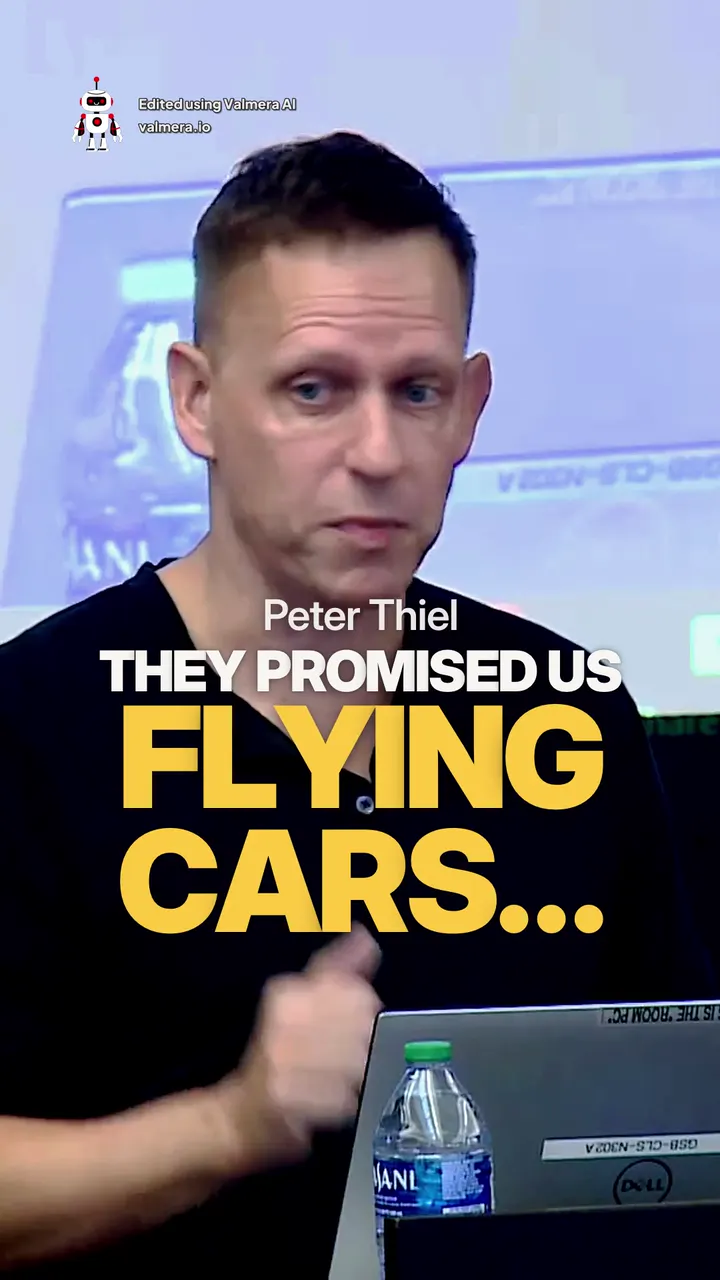
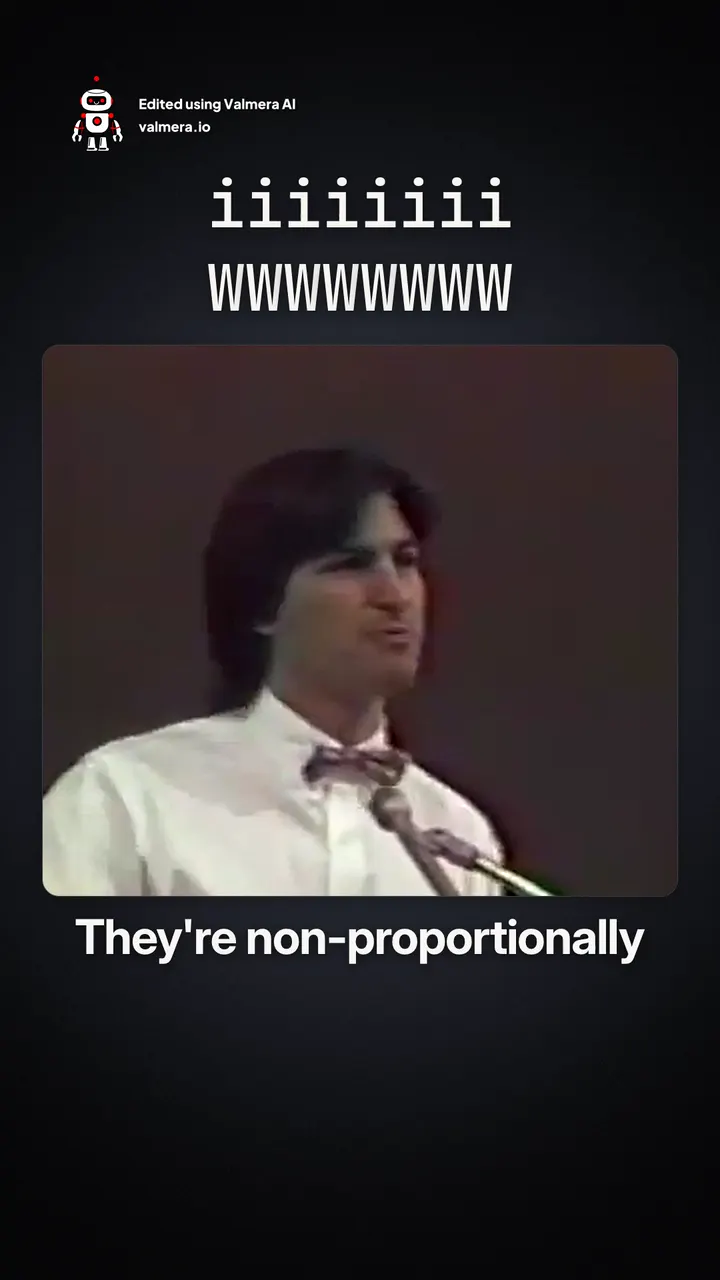
Made with Valmera: real exports
Direct the Edit in Plain English
Upload footage, describe the finished result, and revise the rendered preview in the same conversation.
Create an account →