What Is an Agentic AI Video Editor?
An agentic AI video editor is a video editor in which an AI agent turns a plain-English brief into an editing plan, performs the edits on real footage with editing tools, checks the rendered result, and revises it from follow-up direction. The person sets the goal and approves the result; the agent does the operating.
This explainer covers where the idea came from, how agentic editing differs from AI-assisted and automated editing, why editing and generating are different things, and how assistants like Claude and ChatGPT can act as the agent. For Valmera’s own agent, with a worked edit and an evaluation checklist, see Valmera’s agentic video editor.
Agentic vs. AI-assisted vs. AI-led editing
The useful question isn’t whether a product “has AI.” It’s who decides what happens and who operates the tools. Read the table as a ladder of autonomy:
| Level | Who decides | Who operates | Examples | Best for |
|---|---|---|---|---|
| Manual | You | You | Any timeline editor without AI features | Total creative control |
| AI-assisted | You | You, with AI doing single tasks: captions, masking, search, transcript edits | Premiere, DaVinci Resolve, CapCut | Editors who want control with less grunt work |
| AI-led (automated) | A fixed pipeline, within one recipe | The AI, in one pass with little direction | Clip generators, auto-edit templates | High-volume, repeatable output |
| Agentic | You set the goal; the agent plans the steps | The agent: it uses tools, checks its output and takes revisions | Valmera; Descript’s Underlord co-editor | Finished edits by direction |
| MCP-driven agent | Your own assistant (Claude, ChatGPT, Cursor) plans | The editor’s tools, called over MCP | Valmera’s MCP server | Editing inside the assistant you already use |
The jump from AI-led to agentic is the loop. An automated pipeline runs one recipe and hands you the output. An agent plans for your specific brief, uses tools, looks at what it produced, and keeps working the same edit when you say “tighter” or “move the captions up.” One product can span several levels: Descript, for example, pairs a manual text-based editor with its Underlord co-editor.
Five signs an editor is genuinely agentic
- It reads the material: transcript, audio and frames, not just file names.
- It plans: one brief becomes several ordered, dependent operations.
- It changes a real project instead of returning advice or a list of suggested cuts.
- It shows a reviewable result: a rendered preview and a record of what changed.
- It takes redirection: feedback revises the same edit instead of starting over.
A short history: from EDLs to agents
Agentic editing is the latest step in a long shift of who operates the edit. The core data structure is older than the timeline itself.
| When | What changed | Who operates |
|---|---|---|
| 1970s | Computer-controlled editing systems introduce the edit decision list (EDL): a text list of which source ranges go where. | A person, with a machine keeping the list |
| Late 1980s–1990s | Desktop nonlinear editors such as Avid, Adobe Premiere and Final Cut Pro make the timeline the standard interface. | A person, on a timeline |
| 2010s–early 2020s | Machine learning arrives as features inside editors: automatic captions, scene detection, auto reframe, and text-based editing, where you edit the video by editing its transcript (Descript built its editor around it; Premiere now ships Text-Based Editing). | A person, with AI helpers |
| 2023–2024 | Large language models gain tool calling, so a model can operate software, and text-to-video models become available to the public. | AI can operate software, or generate pixels |
| November 2024 | Anthropic introduces the Model Context Protocol (MCP), an open standard for connecting AI applications to tools and data. | Any assistant can drive an editor |
| 2025–2026 | Agentic editors ship: an agent plans the edit, operates the tools, checks a rendered preview and takes revisions. | The agent operates; a person directs |
The EDL never went away. Valmera’s agent edits by writing new versions of a non-destructive edit decision list, so your original file is never modified and any cut can be restored.
Editing vs. generation: a separate question
“Agentic” describes who operates. “Generative” describes where the pixels come from. An agentic editor works on footage you recorded; a text-to-video generator, such as Runway’s Gen-4.5 model, creates footage that never existed. Some suites do both: Runway’s creative suite also edits video, images and audio.
- Authenticity: real footage of you, your product or your guest is the point of most talking-head, tutorial and podcast video.
- Control: editing keeps exactly what was said; generation produces something new each time.
- Workflow: if you need a shot you can’t film, generate it, then edit it into your real footage.
Valmera is an editor, not a generator. More in AI video editor vs. generator and Valmera vs. Runway.
MCP-driven agents: when your assistant is the editor
The Model Context Protocol lets an AI assistant call another product’s tools. Applied to video, it means the agent doesn’t have to live inside the editor: Claude, ChatGPT, Cursor or another MCP client can plan an edit and call the editor’s tools directly.
Valmera runs both ways:
- In Studio, Valmera’s own agent plans and performs the edit while you watch the preview, timeline and transcript.
- Over MCP, your assistant connects to
https://valmera.io/mcp/serverwith OAuth and uses Valmera’s 143 tools (live server card, October 2026) to upload, cut, caption, reframe, render previews and export the final MP4 through export_final. The assistant edits with the tools itself; it can’t hand the job to Valmera’s in-house agent.
One project can’t be edited from Studio and over MCP at the same time. Read what MCP video editing is or jump to setup for Claude and ChatGPT.
Direct an Edit Instead of Making One
Upload footage and describe the result. Creating an account and uploading are free; editing requires a subscription.
Create an account →Where agentic editing fits, and where it doesn’t
Agentic editing shines on footage-based video with repeatable craft: podcasts, YouTube videos, courses, product demos and social clips. The agent handles cleanup, captions, reframing, b-roll and the mix; you decide what the video should say.
It’s the wrong tool when you have no footage (use a generator), when a narrative film depends on frame-by-frame authorship, or when you need heavy VFX or an editable project file for another editor. Valmera’s specific limits: captions are burned in with no SRT/VTT files, there’s no audio denoise or AI music generation, no true crossfades, custom font uploads or motion-tracked stickers, no direct publishing, and no team seats yet.
Sources
Product descriptions checked October 6, 2026 on each company’s site: Descript Underlord, Adobe Premiere, Runway, Anthropic’s MCP announcement, Model Context Protocol. The levels and the five signs are Valmera’s classification.
Frequently Asked Questions
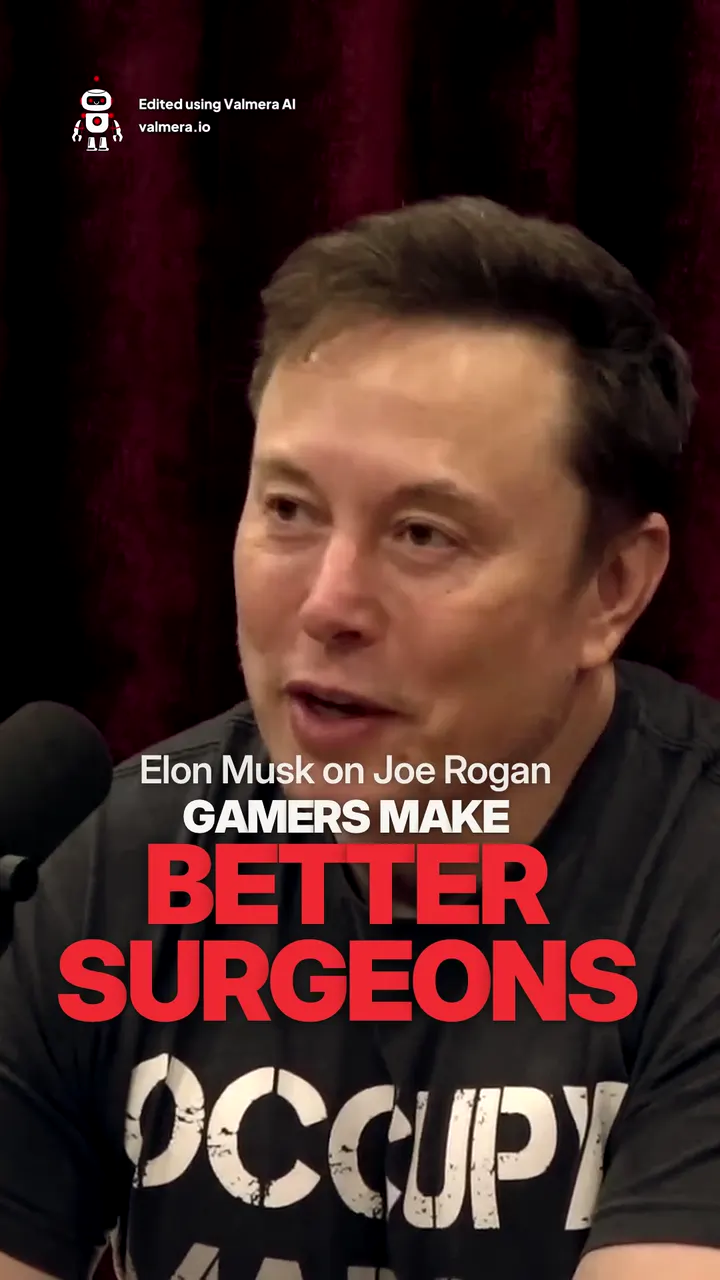
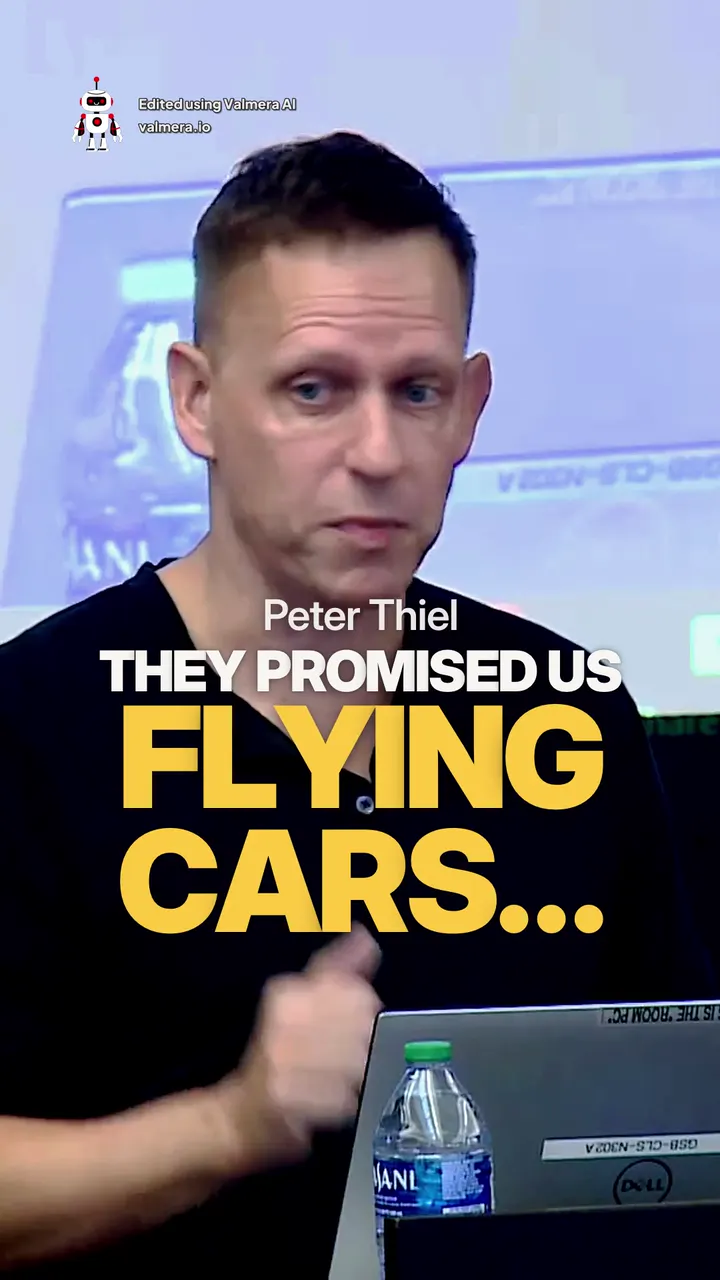
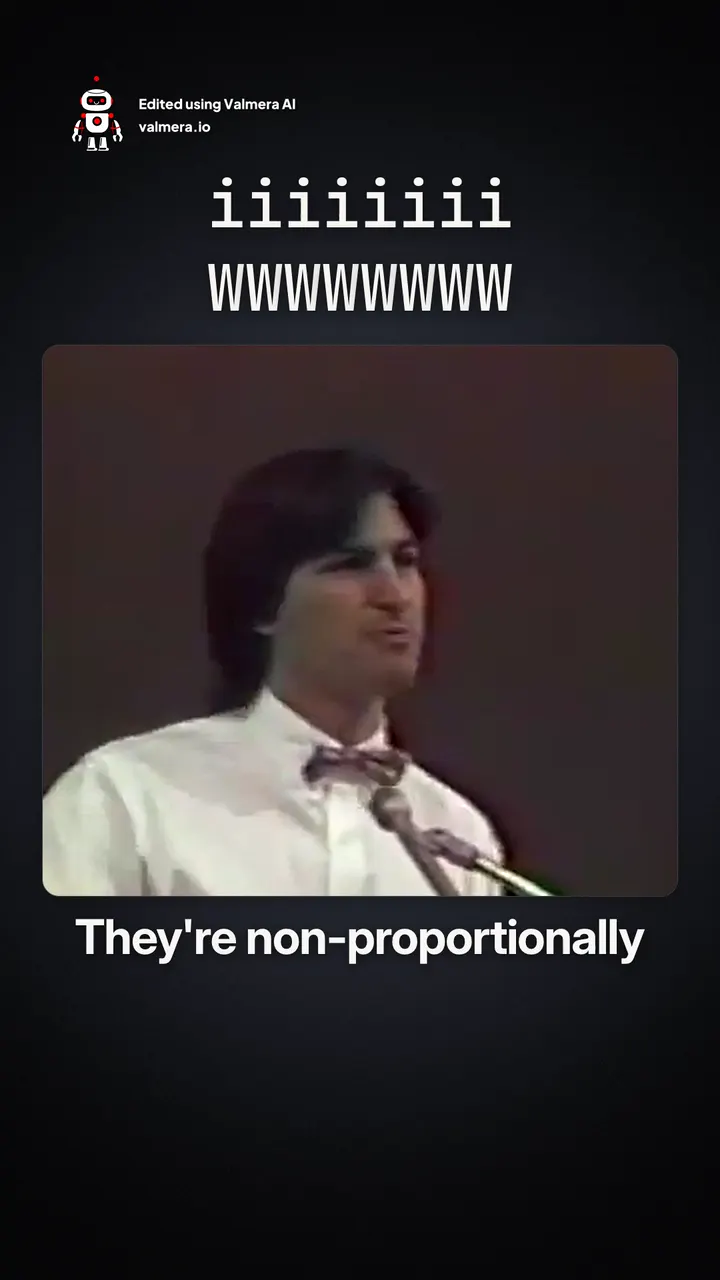
Made with Valmera: real exports
Try an Agentic AI Video Editor
Upload footage, describe the edit, and review the preview. Creating an account and uploading are free; editing requires a subscription.
Create an account →